Home Renovation Checklist: A Complete Guide for Dubai Homeowners

Renovating your home is an exciting opportunity to improve comfort, functionality, and style. However, without proper planning, a renovation can quickly become stressful and expensive. From setting a budget and choosing a design style to selecting materials and coordinating execution, every stage needs careful attention.

Whether you are planning a small apartment makeover or a complete villa renovation in Dubai, having a clear home renovation checklist can help you stay organised and make better decisions. This guide covers the essential steps to consider before and during your renovation project.

1. Define Your Renovation Goals

Before starting any renovation work, decide exactly what you want to achieve. Your goals will guide your design, budget, material selection, and project timeline.

Ask yourself:

  • Do you need a complete home renovation or only selected rooms?
  • Do you want to improve functionality?
  • Are you looking for a more modern interior?
  • Do you need additional storage?
  • Are you planning to upgrade your kitchen or bathrooms?
  • Do you want to improve lighting and energy efficiency?

Creating a room-by-room list of requirements can make the planning process much easier.

2. Set a Realistic Renovation Budget

Budget planning should be one of the first steps on your checklist. Consider both essential renovation work and optional design upgrades.

Your budget may include:

  • Interior design and consultation
  • Civil and structural work
  • Flooring
  • Ceiling and gypsum work
  • Electrical and lighting
  • Plumbing
  • Kitchen renovation
  • Bathroom upgrades
  • Painting and wall finishes
  • Custom wardrobes and joinery
  • Furniture and décor
  • Smart home features

It is also sensible to keep a contingency amount for unexpected work that may arise after demolition or during execution. Clear planning and a defined project scope can help reduce unexpected costs.

3. Inspect Your Existing Home

Before choosing new finishes or furniture, assess the current condition of your property.

Check:

  • Walls and ceilings
  • Flooring
  • Doors and windows
  • Plumbing systems
  • Electrical systems
  • Air-conditioning
  • Bathrooms
  • Kitchen fittings
  • Water leakage or dampness
  • Existing storage

A professional site inspection can help identify issues that may not be visible during a normal walkthrough.

4. Create a Functional Space Plan

Good renovation is not only about making a home look beautiful. It should also make everyday life easier.

Think about how each room will be used and how people will move through the space. Consider furniture placement, walking areas, storage, lighting, and access to essential facilities.

For Dubai villas and apartments, thoughtful space planning can help create interiors that balance luxury with practical everyday living. Living Acre’s residential services specifically focus on layouts, lighting, colour schemes, functionality, and lifestyle requirements.

5. Choose Your Interior Design Style

Decide on an overall design direction before selecting individual materials and furniture.

Popular styles include:

  • Modern
  • Contemporary
  • Minimalist
  • Modern luxury
  • Scandinavian
  • Mediterranean
  • Classic
  • Transitional

Choose a style that suits your lifestyle rather than simply following a temporary trend. A cohesive design throughout the home will create a more balanced and sophisticated appearance.

6. Plan Your Kitchen Renovation

The kitchen is one of the most important areas to consider during a home renovation.

Your checklist should include:

  • Kitchen layout
  • Cabinet design
  • Countertop material
  • Storage requirements
  • Built-in appliances
  • Lighting
  • Sink and fittings
  • Flooring
  • Ventilation
  • Electrical points

Modern Dubai homes often benefit from practical storage systems, built-in appliances, durable countertops, and clean contemporary cabinetry.

7. Upgrade Bathrooms Carefully

Bathrooms require both aesthetic and technical planning.

Consider:

  • Tiles
  • Vanity units
  • Shower area
  • Bathtub, if required
  • Sanitary fixtures
  • Mirrors
  • Storage
  • Lighting
  • Waterproofing
  • Ventilation

Waterproofing and plumbing should be addressed before decorative finishes are installed. This helps prevent expensive repairs later.

8. Plan Lighting From the Beginning

Lighting can dramatically change the appearance and atmosphere of a renovated home.

Instead of depending on one central light, consider layered lighting such as:

  • Ambient lighting
  • Task lighting
  • Accent lighting
  • Cove lighting
  • Pendant lights
  • Wall lights
  • LED strip lighting

Lighting should be planned together with the ceiling design, furniture arrangement, and electrical layout.

9. Select Materials and Finishes

Create a material list before purchasing products. This makes it easier to maintain consistency throughout the project.

You may need to select:

  • Flooring
  • Wall tiles
  • Paint colours
  • Countertops
  • Wood finishes
  • Cabinet materials
  • Door finishes
  • Hardware
  • Fabrics
  • Bathroom fittings
  • Lighting fixtures

Prioritise durability and maintenance as well as appearance, particularly in areas that receive frequent use.

10. Plan Custom Storage and Joinery

Storage should be included in the design from the beginning rather than added later.

Consider:

  • Built-in wardrobes
  • TV units
  • Shoe cabinets
  • Kitchen storage
  • Pantry systems
  • Study units
  • Bathroom storage
  • Full-height cabinets

Custom joinery can help maximise available space while keeping the interior visually clean and organised.

11. Consider Smart Home Features

A renovation is an ideal opportunity to plan smart home technology.

Depending on your needs, you could include:

  • Smart lighting
  • Automated curtains
  • Smart thermostats
  • Home security
  • Smart door locks
  • Home entertainment
  • Automated climate controls

Planning these systems before electrical and ceiling work begins can make installation much easier.

12. Check Approvals and Property Requirements

For renovation projects in Dubai, it is important to understand the requirements that apply to your property before starting major work.

Depending on the project, approvals or permissions may be required from relevant authorities, building management, community management, or other parties.

Structural modifications, extensions, major services changes, and certain villa renovation works should be reviewed carefully before execution. Living Acre states that its villa renovation services are planned and executed with applicable local authority requirements in consideration.

13. Choose the Right Renovation Company

The renovation company you select can have a major impact on the overall project experience.

Before making a decision, review:

  • Previous projects
  • Design capabilities
  • Renovation experience
  • Material quality
  • Project management
  • Workmanship
  • Communication
  • Project timelines
  • Quotation details
  • After-completion support

A company that can coordinate design, renovation, fit-out, joinery, and execution can simplify the overall process.

14. Finalise the Design Before Execution

Avoid making major design changes after work has already started.

Before execution, confirm:

  • Floor plans
  • Furniture layouts
  • 3D visualisations
  • Colour palette
  • Materials
  • Lighting
  • Electrical points
  • Plumbing points
  • Joinery details
  • Kitchen design
  • Bathroom design

A clear design and proposal can help reduce confusion during the execution stage.

15. Create a Project Timeline

A renovation should have a clear sequence of work.

A typical process may include:

Site Inspection → Design → Proposal → Client Approval → Material Selection → Execution → Installation → Snagging → Handover

Living Acre’s current project workflow similarly follows stages from on-site inspection and information collection through design, proposal, execution, and handover.

16. Inspect the Work Before Handover

Before considering the renovation complete, inspect every area carefully.

Check:

  • Paint finishes
  • Flooring
  • Doors and handles
  • Cabinets
  • Electrical points
  • Light fixtures
  • Plumbing fixtures
  • Air-conditioning
  • Kitchen fittings
  • Bathroom finishes
  • Joinery
  • Silicone and finishing details

Create a snagging list for anything that needs correction before final handover.

Home Renovation Checklist – Quick Summary

Before starting your renovation, make sure you have:

  • Defined your renovation goals
  • Set a realistic budget
  • Inspected the existing property
  • Planned the space layout
  • Selected your design style
  • Planned kitchen and bathrooms
  • Finalised lighting requirements
  • Selected materials and finishes
  • Planned storage and custom joinery
  • Considered smart home features
  • Checked applicable approvals
  • Selected a reliable renovation company
  • Approved the final design
  • Created a project timeline
  • Planned final inspection and handover

Final Thoughts

A successful home renovation starts with good planning. By defining your goals, setting a realistic budget, planning your space, selecting suitable materials, and working with experienced professionals, you can make the renovation process more organised and predictable.

For homeowners in Dubai, professional guidance can be particularly valuable when a project involves villa renovation, interior design, fit-out, custom joinery, or multiple technical works. Living Acre Interiors provides residential interior design, villa renovation, fit-out, villa extension, and smart home solutions designed around individual requirements.

Warm Minimalism: The Interior Design Trend Defining UAE Homes in 2026

Interior Design Trend 2026: The Rise of Warm Minimalism

In 2026, Interior Design Trends are moving away from cold, overly perfect spaces and towards interiors that feel calm, comfortable, and personal. One of the strongest styles emerging from this shift is warm minimalism.

For homeowners in the UAE, this approach offers an especially appealing balance. It combines the clean lines and uncluttered appearance of minimalist design with natural textures, warm colours, soft lighting, and carefully selected furniture.

At Livingacre Interior, we see warm minimalism as more than a passing trend. Instead, it is an approach to creating homes that look sophisticated while remaining comfortable and practical for everyday UAE living.

What Is Warm Minimalism?

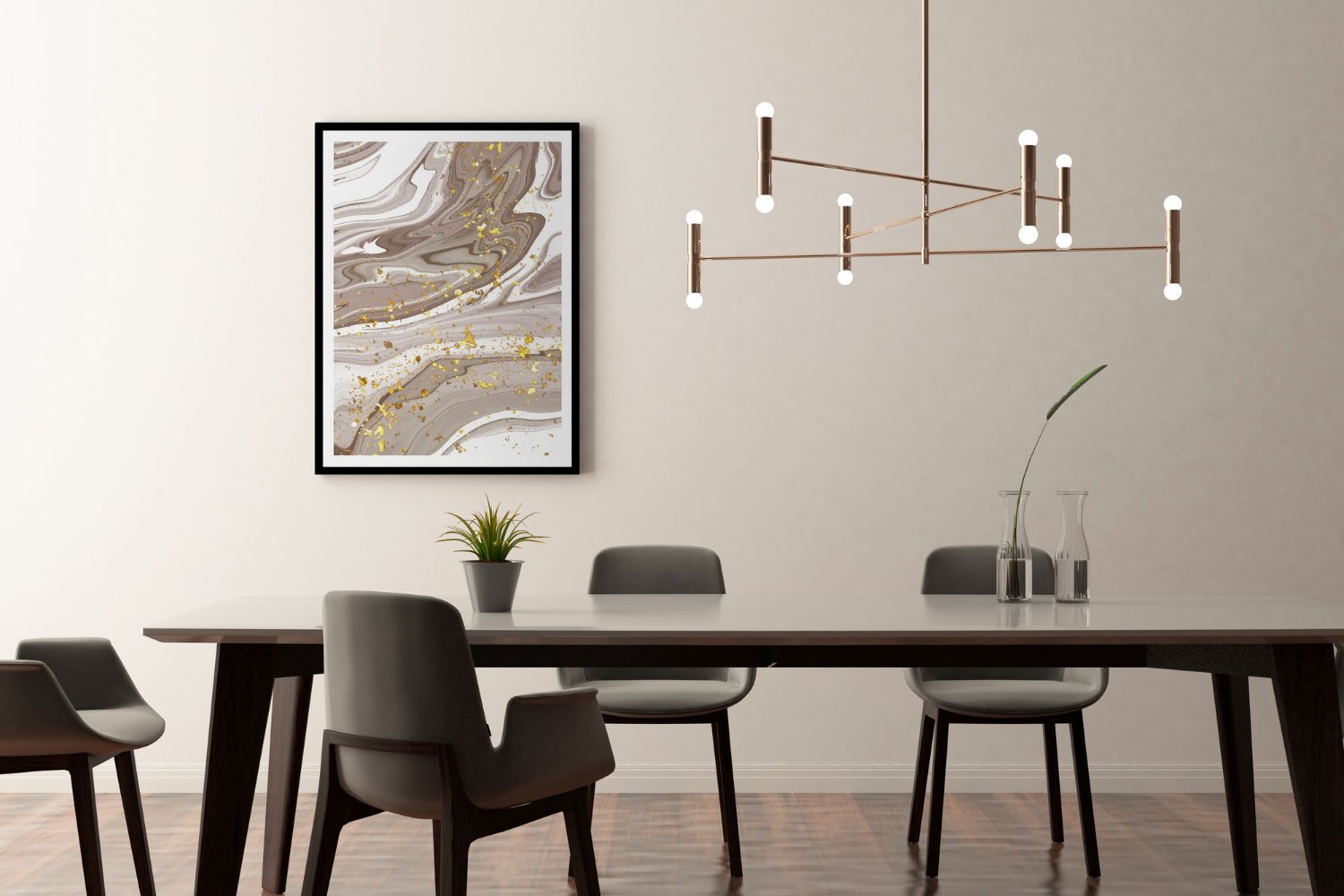
Warm minimalism is an Interior Design Trend that combines simplicity with warmth. Traditional minimalism often relies on stark white surfaces, sharp lines, and very limited decoration. However, warm minimalism keeps the principle of simplicity while introducing elements that make a space feel more inviting.

Key elements include:

  • Warm neutral colour palettes
  • Natural wood
  • Stone and textured surfaces
  • Soft fabrics
  • Ambient lighting
  • Curved furniture
  • Handmade or artisanal details
  • Carefully selected decorative pieces
  • Plenty of natural light

As a result, the home feels clean without appearing empty. At the same time, it can feel luxurious without becoming excessive.

Why Is Warm Minimalism Becoming Popular in the UAE?

The UAE has a distinctive relationship with interior design. Homes often need to combine modern architecture, luxury, and functionality while responding to the region’s climate and lifestyle.

For this reason, warm minimalism works particularly well. It provides a sophisticated aesthetic without relying on excessive ornamentation.

1. It Creates a Calm Environment

After a busy day, a clutter-free home can feel significantly more relaxing. In addition, warm neutral colours, natural textures, and soft lighting help create an atmosphere that feels peaceful and comfortable.

Rather than filling a room with unnecessary elements, designers can focus on creating a balanced environment where every feature has a purpose.

2. It Works With Modern UAE Architecture

Many villas and apartments in Dubai and across the UAE feature large windows, open-plan layouts, and contemporary architectural elements. Therefore, warm minimalism complements these characteristics instead of competing with them.

Large windows can bring in natural daylight, while neutral materials and simple furniture help maintain visual continuity throughout the space.

3. It Feels Luxurious Without Being Overwhelming

Luxury doesn’t always require elaborate furniture or excessive decoration. Instead, a carefully designed combination of premium materials, balanced proportions, refined lighting, and quality craftsmanship can create an elegant interior while maintaining simplicity.

Moreover, choosing fewer but better-quality pieces often creates a more sophisticated result.

4. It Is Timeless

Interior trends can change quickly. However, warm minimalism focuses on fundamental design principles such as quality materials, functionality, proportion, and comfort.

Consequently, homeowners can create interiors that remain attractive and relevant for years rather than following a trend that quickly feels outdated.

The Key Elements of Warm Minimalist Interior Design

1. Warm Neutral Colours

Colour is one of the easiest ways to introduce warmth into a minimalist interior. Instead of relying exclusively on bright white, consider shades such as:

  • Sand
  • Beige
  • Cream
  • Taupe
  • Warm grey
  • Terracotta
  • Soft brown
  • Muted olive

In UAE homes, these tones can also complement natural stone, wood, and the surrounding desert-inspired landscape.

However, the key is not simply choosing beige. Layering different colours, materials, and textures prevents a neutral interior from looking flat.

2. Natural Materials

Natural materials are central to warm minimalism. Wood, marble, travertine, limestone, linen, and textured fabrics can introduce visual depth without creating clutter.

For example, a neutral living room can become much more interesting by combining:

Travertine + natural wood + linen upholstery + soft lighting

Instead of adding numerous decorative objects, this combination creates character through materials and texture.

3. Soft and Layered Lighting

Lighting is particularly important in warm minimalist interiors. Rather than depending on one strong ceiling light, designers can create layers using:

  • Cove lighting
  • Pendant lights
  • Wall lights
  • Floor lamps
  • Table lamps
  • Accent lighting
  • Natural daylight

Furthermore, warm-coloured lighting can soften neutral materials and create a more comfortable atmosphere during the evening.

For UAE homes, lighting design should also consider the strong natural daylight available throughout much of the year. As a result, the interior can feel bright during the day while remaining warm and relaxing at night.

4. Curved Furniture

Another noticeable development in contemporary interiors is the move towards softer shapes. Curved sofas, rounded coffee tables, sculptural chairs, and arched architectural details can soften the straight lines commonly found in modern interiors.

Nevertheless, the goal is not to fill the room with curves. Instead, one or two carefully selected curved elements can create a softer and more welcoming appearance.

5. Texture Over Decoration

Warm minimalism doesn’t mean completely removing personality from a room. Instead of filling surfaces with decorative accessories, designers can use texture to create interest.

Consider:

  • Textured walls
  • Bouclé upholstery
  • Linen curtains
  • Natural stone
  • Timber finishes
  • Handmade ceramics
  • Woven rugs

Together, these elements create a visually rich interior while keeping the overall composition simple and balanced.

Interior Design Trend

Warm Minimalism for Dubai Villas and Apartments

Warm minimalism can be adapted to different types of UAE properties. The approach can be customised according to the architecture, available space, lifestyle, and functional requirements of each home.

For Dubai Villas

Large villas provide opportunities to combine warm minimalism with expansive living spaces, statement staircases, large windows, and indoor-outdoor areas.

For instance, natural stone flooring, timber features, neutral furniture, and carefully designed landscape connections can create a cohesive aesthetic throughout the property.

For Apartments

In apartments, the priority is often making the available space feel larger and more organised. Therefore, a restrained colour palette, built-in storage, multifunctional furniture, and continuous flooring can help create visual continuity.

This approach can be particularly effective in modern Dubai apartments where open-plan living areas are common.

How to Create a Warm Minimalist Living Room

A warm minimalist living room doesn’t require completely redesigning your home. Instead, you can begin with a few simple changes.

Step 1: Simplify the Space

First, remove unnecessary furniture and accessories. Keeping only useful or meaningful pieces can immediately make the room feel more spacious.

Step 2: Choose a Warm Colour Palette

Next, select two or three complementary neutral tones. This creates a consistent visual foundation without making the space feel monotonous.

Step 3: Introduce Natural Materials

Then, add materials such as wood, stone, linen, or other tactile finishes. These elements bring warmth and character to a minimalist setting.

Step 4: Improve the Lighting

After that, introduce multiple sources of soft, layered lighting. Combining ambient, accent, and decorative lighting can transform the atmosphere of the room.

Step 5: Add Texture

In addition, use rugs, curtains, cushions, and textured upholstery to introduce depth without adding visual clutter.

Step 6: Choose Statement Pieces Carefully

Finally, select a few standout elements. One beautiful piece of furniture or artwork can often have more impact than many small decorations.

Is Warm Minimalism the Same as Modern Minimalism?

Not exactly. Although both styles focus on simplicity and functionality, their visual character is different.

Modern Minimalism Warm Minimalism
Often uses cooler colour palettes Uses warm neutral colours
Strong geometric lines Mixes straight and curved forms
Limited textures Rich natural textures
Clean and functional Clean, functional, and comfortable
Can sometimes feel stark Designed to feel inviting

In short, warm minimalism retains the discipline of minimalist design while introducing greater comfort, texture, and personality.

Why Professional Interior Design Matters

Achieving a minimalist interior can sound simple: use fewer things and keep the colours neutral. In practice, however, minimalist spaces can be surprisingly difficult to design.

When there are fewer decorative elements, every detail becomes more noticeable. Furniture proportions, lighting positions, material transitions, joinery, colour temperature, and spacing can all influence the final result.

Therefore, professional interior design can make a significant difference.

At Livingacre Interior, the focus is on developing interiors that balance aesthetics with functionality. As a result, each space can feel visually refined while still supporting the practical needs of everyday life.

The Future of Interior Design in the UAE

Warm minimalism reflects a wider change in how people approach their homes. Today, the emphasis is shifting from simply creating impressive interiors to developing spaces that support comfort, wellbeing, functionality, and personal expression.

For UAE homeowners, this means combining contemporary architecture and premium finishes with materials, colours, and layouts that make a home genuinely inviting.

Ultimately, that is what makes warm minimalism particularly relevant in 2026. It doesn’t ask homeowners to choose between luxury and comfort. Instead, it brings the two together to create sophisticated, welcoming, and timeless interiors.

LET'S TALK

If You Would Like To Discuss Your Project Or Schedule An Appointment With Our Team

Contact Us