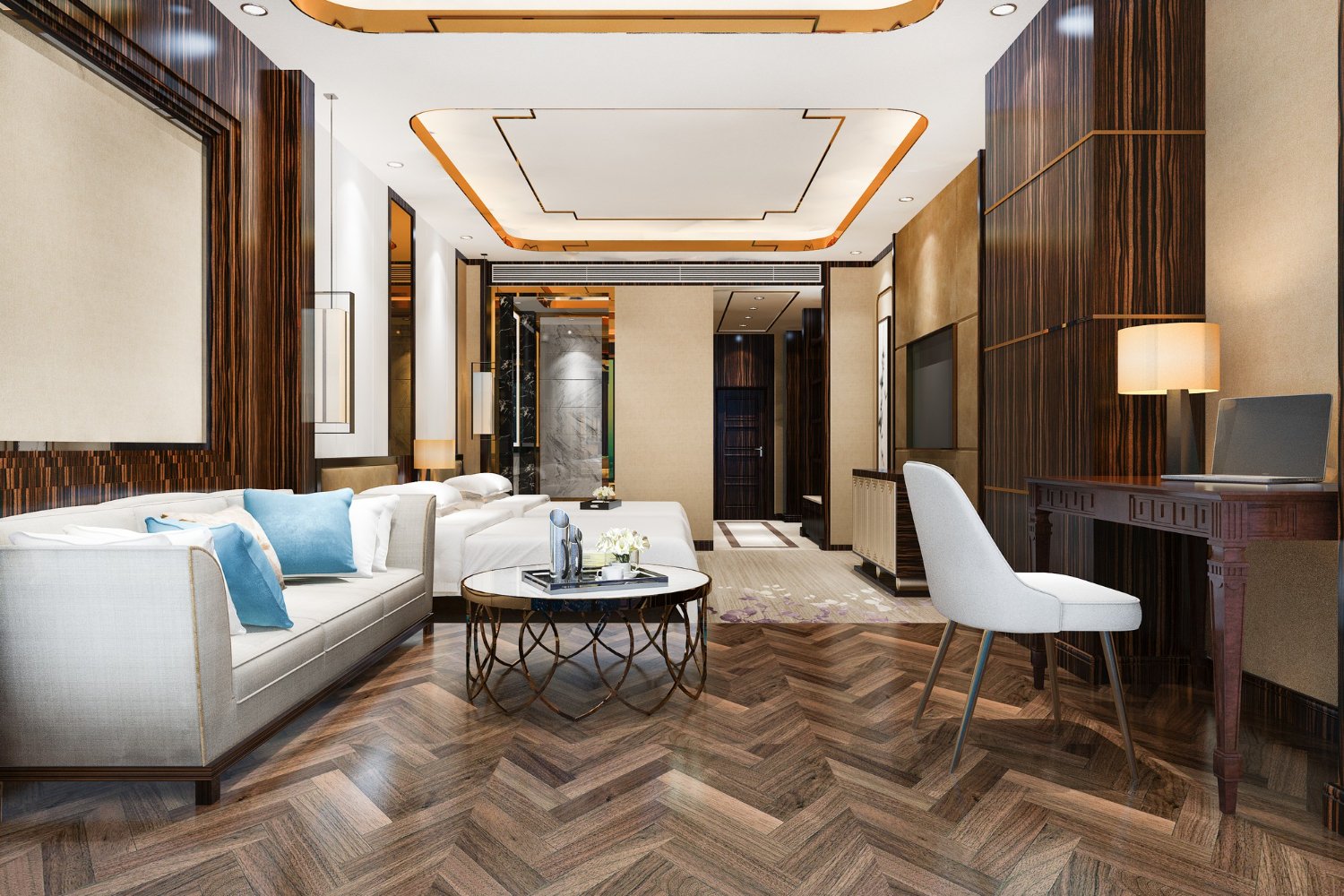
Residential Interior Design Trends in Dubai for 2026: Transform Your Home with Modern Ideas

Dubai is known for its luxurious lifestyle, contemporary architecture and innovative residential spaces. From elegant villas to modern apartments, homeowners are increasingly looking for interior designs that combine comfort, functionality and sophisticated aesthetics.

Choosing the right residential interior design company in Dubai can help transform an ordinary living space into a beautiful, practical and personalized home. Whether you are renovating a villa, upgrading an apartment or designing a new property, the right interior design approach can make a significant difference.

1. Modern Minimalist Interior Design

Minimalist interiors remain a popular choice for modern homes. Clean lines, neutral colours, natural materials and uncluttered spaces create a calm and elegant atmosphere.

Popular minimalist design elements include:

– Neutral shades such as beige, white, grey and warm earth tones
– Simple furniture with functional designs
– Hidden storage solutions
– Natural wood finishes and subtle textures
– Decorative lighting with clean silhouettes

This style works particularly well in apartments and contemporary villas throughout Dubai.

2. Luxury Villa Interior Design in Dubai

Villa owners often want interiors that reflect their personal style while maximizing comfort and functionality. Luxury villa interior design combines carefully selected materials, custom furniture, sophisticated lighting and coordinated colour schemes.

Popular features include spacious living rooms, elegant entrance areas, statement chandeliers, custom wardrobes, premium kitchen finishes and carefully planned outdoor living spaces.

Communities such as Dubai Hills Estate, Arabian Ranches, Palm Jumeirah and DAMAC Hills offer opportunities to create distinctive interiors that complement different architectural styles.

3. Smart Space-Saving Ideas for Apartments

Apartments require thoughtful planning to make the most of available space. Smart storage and multifunctional furniture can improve everyday living without compromising the overall design.

Consider these practical ideas:

– Install floor-to-ceiling wardrobes.
– Use beds with built-in storage.
– Choose extendable dining tables.
– Add mirrors to create a sense of spaciousness.
– Use vertical shelving and concealed storage.
– Select light colours to create a brighter appearance.

A well-planned apartment interior can feel spacious, organized and comfortable, even when floor space is limited.

4. Contemporary Kitchen Interior Design

The kitchen is one of the most important areas of any home. Modern kitchen design focuses on efficient layouts, durable materials, convenient storage and attractive finishes.

Popular choices include handleless cabinets, quartz countertops, under-cabinet lighting, organized pantry storage and integrated appliances.

When planning a kitchen renovation, consider your cooking habits, available space, ventilation requirements and long-term maintenance needs.

5. Bedroom Design for Comfort and Relaxation

A well-designed bedroom should provide comfort, privacy and a relaxing atmosphere. Soft lighting, coordinated colours and functional furniture help create a peaceful environment.

Consider upholstered headboards, layered lighting, custom wardrobes, blackout curtains and bedside storage. Warm neutral colours and natural textures can also create a welcoming atmosphere.


Residential Interior Design Trends in Dubai for 2026 Residential Interior Design Trends in Dubai for 2026


6. Residential Fit-Out and Home Renovation

Interior design is not only about selecting furniture and colours. Successful projects also require careful coordination of layouts, materials, finishes and installation work.

Residential fit-out services may include flooring, ceiling works, lighting, painting, carpentry, joinery, kitchen upgrades and bathroom improvements, depending on the project’s scope.

Before starting a renovation, establish your budget, confirm the scope of work and check any building management or approval requirements that apply to your property.

Working with an experienced interior design and fit-out team can help coordinate the different stages of the project.

7. Choosing the Right Interior Design Company in Dubai

Before selecting an interior design company, review its portfolio, previous projects, service scope and client feedback.

Here are some important considerations:

– Portfolio: Look for completed projects similar to your property.
– Design approach: Choose a team that understands your requirements and lifestyle.
– Transparent quotations: Request a clear breakdown of design, materials, labour and additional costs.
– Project management: Understand how timelines, contractors and quality checks will be managed.
– Communication: Ensure you have a clear point of contact throughout the project.

Comparing these factors can help you make an informed decision and plan your home transformation more confidently.

8. Personalizing Your Home with Functional Design

The best interior design reflects how people actually live. Families may prioritize durable finishes, organized storage and child-friendly layouts, while professionals may prefer dedicated workspaces and low-maintenance materials.

Small changes can also have a major visual impact. Updating lighting, refreshing wall colours, adding curtains and reorganizing furniture can improve the appearance of a room without requiring a complete renovation.

Transform Your Home with LA Interiors

Planning a villa renovation, apartment makeover or complete residential fit-out in Dubai? LA Interiors can help you explore design possibilities tailored to your property, preferences and project requirements.

Discover our “interior design services” (https://www.lainteriors.ae/) and explore ideas for creating a home that combines style, comfort and functionality.

Contact LA Interiors to discuss your residential interior design project in Dubai and arrange a consultation.
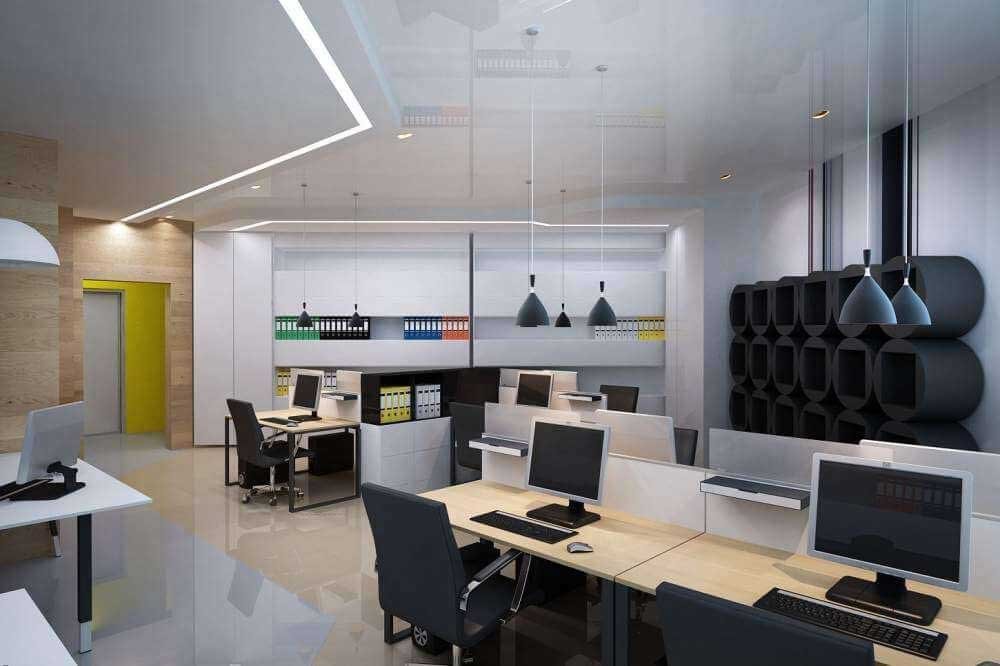
10 Tips for Choosing the Right Interior Designer in Dubai

Choosing the right Interior Design Dubai is an important step when transforming your space into a stylish and functional environment. With Dubai’s growing design industry, however, finding the right professional can feel overwhelming. Therefore, you need to consider several factors before making your decision. From defining your style and setting a budget to reviewing experience and contracts, these ten tips can help you choose an interior designer in Dubai who matches your vision and project requirements.

1. Define Your Style and Needs

Before searching for an interior designer in Dubai, first identify your preferred style and specific needs. Browse design magazines, websites, and platforms such as Pinterest and Instagram for inspiration. As a result, you can develop a clearer idea of the look and feel you want.

Key Points:

  • Create a mood board with images that reflect your preferred style.
  • Determine which rooms you want to redesign.
  • List specific requirements, such as storage, functionality, or space planning.
  • Consider how you want the finished space to look and feel.
2. Set a Budget for Your Interior Design Project

Next, establish a realistic budget before contacting designers. Interior design costs can vary depending on the project size, materials, and services required. Therefore, knowing your budget can help you find an interior designer in Dubai who can work within your financial expectations.

Key Points:

  • Be realistic about what you can afford.
  • Include designer fees, materials, furniture, and other project costs.
  • Keep some additional funds available for unexpected expenses.
  • Discuss your budget openly from the beginning.
3. Research and Shortlist Interior Designers in Dubai

Once you have a budget, start researching interior designers in Dubai. Look for professionals who have experience with projects similar to yours. Moreover, their previous work should reflect the style and quality you expect.

Key Points:

  • Search through online platforms, design directories, and social media.
  • Review portfolios to understand their design approach.
  • Read reviews and testimonials from previous clients.
  • Compare several designers before making a final decision.
4. Check Credentials and Experience

Experience can make a significant difference in the success of your project. Therefore, check the designer’s qualifications, professional background, and previous projects. In addition, ask whether they have experience with projects similar to yours.

Key Points:

  • Verify their education and professional certifications.
  • Check relevant professional memberships where applicable.
  • Review their previous residential or commercial projects.
  • Ask about their experience with projects of a similar size and scope.
5. Schedule Consultations with Your Interior Designer

After creating a shortlist, schedule consultations with potential designers. This gives you an opportunity to discuss your ideas and understand their approach. Furthermore, it helps you assess their communication style and professionalism.

Key Points:

  • Prepare questions about your project before the meeting.
  • Explain your ideas, preferences, and expectations clearly.
  • Pay attention to how well the designer listens to your concerns.
  • Consider whether you feel comfortable communicating with them.
6. Evaluate the Interior Design Process

Understanding the design process is equally important. Therefore, ask the interior designer to explain each stage of the project. This can include concept development, material selection, design approval, project management, and final installation.

Key Points:

  • Ask about the different stages of the design process.
  • Discuss expected timelines for each phase.
  • Find out how the designer coordinates with contractors and suppliers.
  • Ask how they handle changes or unexpected challenges.
7. Discuss Budget and Design Fees

Clear communication about costs can help prevent misunderstandings later. For this reason, discuss the designer’s fees and payment structure before starting the project. Moreover, ask about any additional costs that could arise during the process.

Key Points:

  • Understand whether the designer charges a flat fee, hourly rate, or percentage.
  • Discuss payment schedules and deposits.
  • Confirm which services the fee includes.
  • Ask about potential additional charges.
8. Review the Interior Design Contract Carefully

Before signing an agreement, carefully review the contract. In particular, make sure it clearly explains the scope of work, payment terms, services, and project timeline. If something seems unclear, ask the designer for an explanation.

Key Points:

  • Check the services and project milestones.
  • Review deadlines and payment terms.
  • Look for clauses covering revisions and cancellations.
  • Clarify any terms you do not understand.
9. Check References and Client Reviews

Client feedback can provide useful insights into an interior designer’s reliability and service quality. Therefore, ask for references or review testimonials from previous clients. In addition, look for feedback about communication, timelines, budget management, and the final result.

Key Points:

  • Ask about the client’s overall experience.
  • Find out whether the designer stayed within the agreed budget.
  • Ask whether the project met the expected deadlines.
  • Check if the client was satisfied with the finished space.
10. Trust Your Instincts When Choosing an Interior Designer in Dubai

Finally, trust your instincts when making your decision. You will work closely with your designer throughout the project. Therefore, choosing someone you trust and communicate comfortably with is essential.

Key Points:

  • Consider your personal rapport with the designer.
  • Think about how well they understood your vision.
  • Choose someone who communicates clearly and professionally.
  • Look for a designer who can turn your ideas into practical solutions.
Conclusion

Choosing the right interior designer in Dubai requires careful research and planning. First, define your style and needs. Next, establish a realistic budget and research suitable designers. Then, compare portfolios, experience, design processes, fees, and client feedback.

Moreover, a detailed consultation can help you understand whether a designer is the right fit for your project. Finally, review the contract carefully and choose a professional you trust. By following these steps, you can find an interior designer in Dubai who can transform your home or office into a stylish, functional, and personalized space.

For professional and personalized interior design services, contact Livingacre Interiors. Our experienced designers work closely with clients to create spaces that reflect their style, lifestyle, and functional needs.

LET'S TALK

If You Would Like To Discuss Your Project Or Schedule An Appointment With Our Team

Contact Us