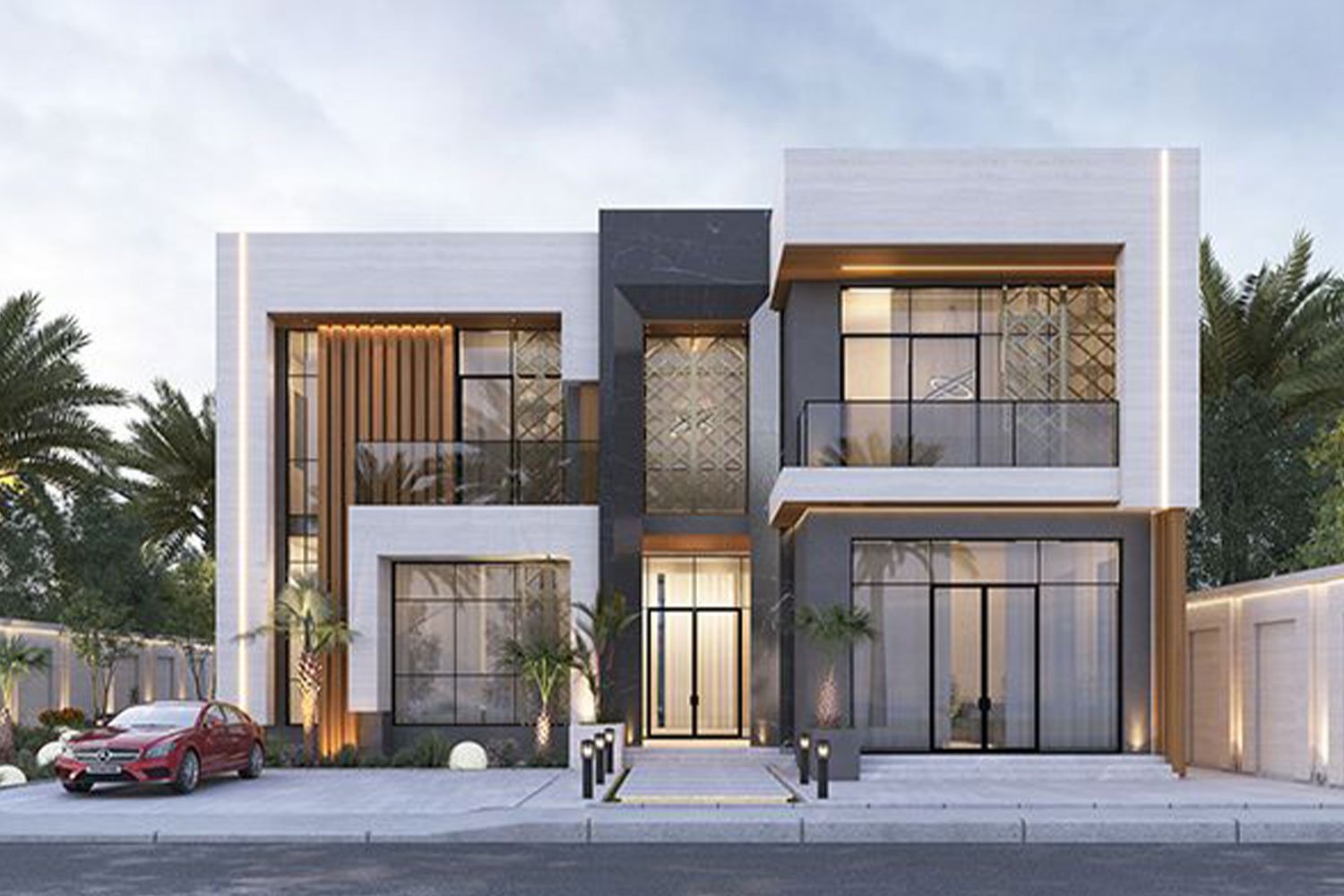
In today’s technology-driven world, home renovation goes beyond aesthetics and structural improvements. Instead, smart home renovation combines modern technology with thoughtful design to create a more comfortable, efficient, and secure living environment. As a result, homeowners can enjoy greater convenience while improving their property’s functionality. Whether you want to improve comfort, reduce energy use, or increase your property’s value, smart technology can make a real difference. In this guide, we’ll explore the key elements of smart home renovation and explain how you can create a modern, connected home.
1. Planning Your Smart Home Renovation: Setting the Foundation
First, create a clear renovation plan before choosing smart home technology. In particular, consider your needs, budget, and renovation goals. By doing so, you can make better decisions and avoid unnecessary expenses.
Steps to Consider:
- Assess Your Current Home: First, identify areas where smart technology can add value. For example, consider lighting, security, climate control, and entertainment.
- Set a Budget: Next, decide how much you want to invest in smart home upgrades. Although some systems require a higher initial investment, they can provide long-term savings.
- Choose a Reliable Contractor: Finally, work with renovation professionals who understand smart home systems. As a result, they can integrate technology smoothly into your home.
2. Smart Lighting Solutions: Enhancing Ambiance and Efficiency
Lighting plays an important role in every home. With smart lighting, you can control brightness, color temperature, and lighting schedules with ease. Furthermore, these features allow you to create the right atmosphere for different activities. At the same time, smart lighting can help improve energy efficiency.
Key Features:
- Voice and App Control: For instance, you can control your lights through voice commands or a smartphone app. Therefore, you can adjust your lighting even when you are away from home.
- Automated Schedules: Similarly, you can set schedules that match your daily routine. For example, lights can dim in the evening or turn on when you wake up.
- Energy Efficiency: In addition, motion sensors and timers can reduce unnecessary energy consumption. Consequently, you can manage electricity use more effectively.
3. Smart Security Systems: Protecting Your Home with Technology
Home security remains a major priority for homeowners. Fortunately, smart security systems provide greater control and monitoring options. Moreover, smart cameras, video doorbells, and connected locks allow you to monitor your property from almost anywhere.
Key Features:
- Video Doorbells: For example, you can see and communicate with visitors through your smartphone. Additionally, many systems offer motion detection and video recording.
- Smart Locks: Instead of relying on traditional keys, you can use connected locks. As a result, you can control access through an app and provide temporary access to guests.
- Security Cameras: Furthermore, smart cameras can provide live streaming, night vision, and motion detection. In addition, you can connect them with other smart devices for better security.
4. Smart Heating and Cooling: Comfort Meets Energy Efficiency
Heating and cooling can account for a significant share of household energy use. Therefore, smart thermostats and climate control systems can help maintain comfortable temperatures while managing energy consumption. In addition, these systems give homeowners greater control over their indoor environment.
Key Features:
- Smart Thermostats: For instance, you can set and adjust temperatures based on your preferences. Moreover, you can control the thermostat remotely through a smartphone app.
- Zoned Heating and Cooling: Instead, divide your home into separate climate zones. This way, you can control the temperature in each area according to its use.
- Energy Monitoring: Meanwhile, energy monitoring systems can track your consumption in real time. Consequently, you can identify waste and take steps to reduce energy costs.
5. Smart Kitchens: Elevating the Heart of Your Home
The kitchen often serves as the heart of the home. For this reason, smart technology can make this space more convenient, efficient, and enjoyable. From connected appliances to voice assistants, you can introduce several smart features into your kitchen.
Key Features:
- Smart Appliances: For example, connected refrigerators, ovens, and dishwashers can offer remote control, automated cooking, and energy monitoring.
- Voice-Activated Assistants: In addition, voice assistants such as Amazon Alexa or Google Assistant can help you set timers, search for recipes, and control connected devices.
- Smart Lighting: Furthermore, adjustable under-cabinet lighting can improve visibility. At the same time, you can change brightness and color to create the right atmosphere.
6. Entertainment and Connectivity: Creating a Smart Home Experience
A truly connected home also needs an integrated entertainment system. With the right technology, you can stream music and movies while controlling multiple devices from one place. Moreover, a well-planned connectivity system can create a seamless home experience.
Key Features:
- Smart Speakers: For instance, connected speakers can provide music, news, and voice control. Additionally, you can connect multiple speakers for a consistent audio experience.
- Smart TVs: Similarly, smart TVs provide access to streaming services, internet browsing, and voice controls. Furthermore, many models can connect with other smart home devices.
- Home Automation Hubs: Finally, a central hub can help manage connected devices. As a result, controlling lighting, security, climate, and entertainment becomes easier.
7. The Future of Smart Homes: Preparing for What’s Next
Smart home technology continues to develop rapidly. Therefore, future-proof your renovation by selecting systems that can adapt to new technologies. In this way, your home can remain functional and up to date for years to come.
Key Considerations:
- Compatibility: First, choose devices that work well together. This makes integration and everyday control much easier.
- Scalability: Next, select systems that allow future upgrades. As your needs change, you can add new devices and features.
- Sustainability: Finally, choose energy-efficient devices and sustainable materials whenever possible. As a result, you can reduce environmental impact while improving long-term efficiency.
Conclusion
A smart home renovation can transform the way you live. By combining modern technology with thoughtful interior design, you can create a home that feels more comfortable, efficient, and secure. Moreover, you don’t need to upgrade everything at once. Instead, start with the areas that matter most and gradually add new smart features.
Whether you are planning a complete renovation or making a few smart upgrades, the possibilities are extensive. Ultimately, the right technology and design approach can turn your home into a modern, connected, and intelligent living space. With careful planning and the right solutions, you can enjoy the benefits of smart living for years to come.