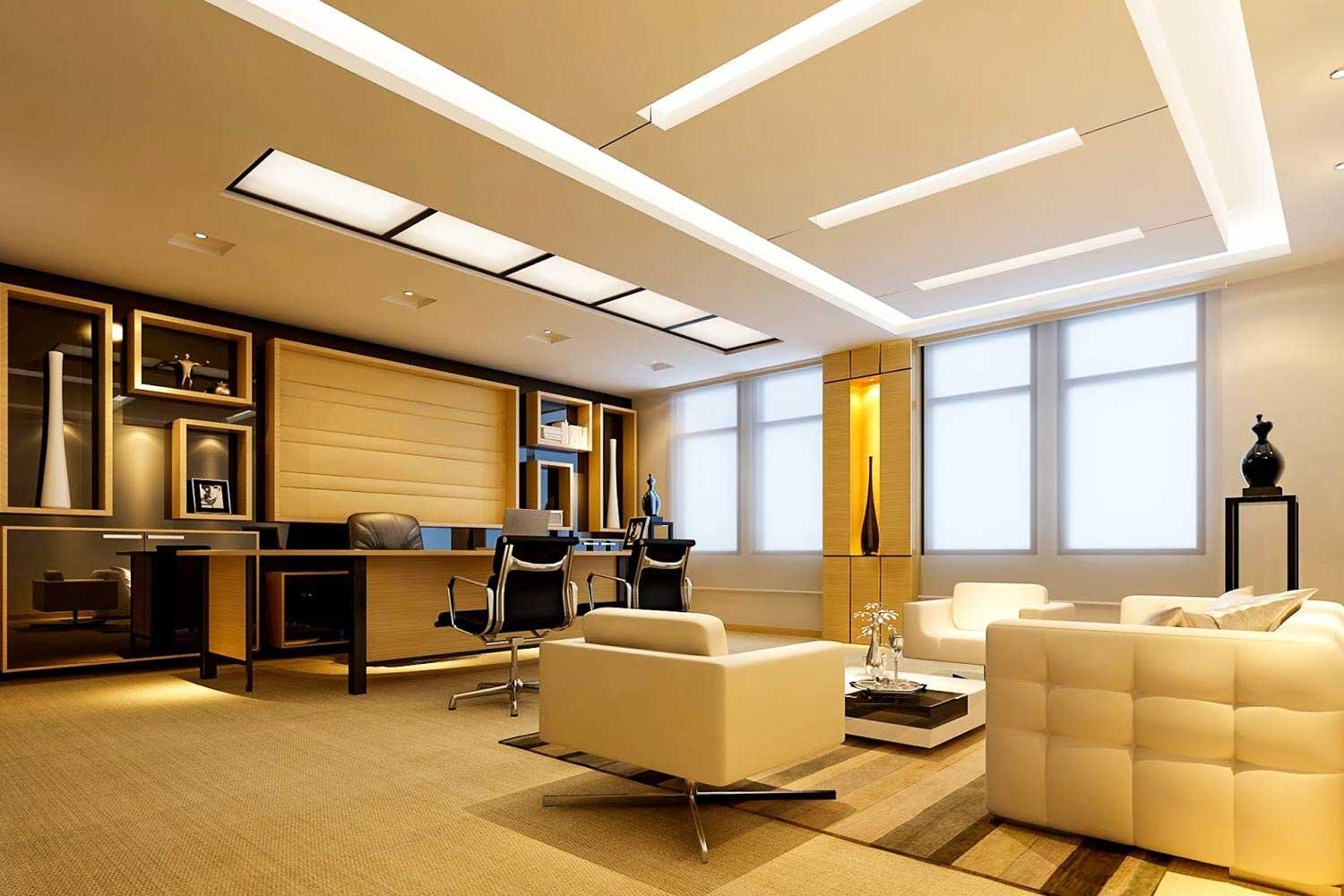
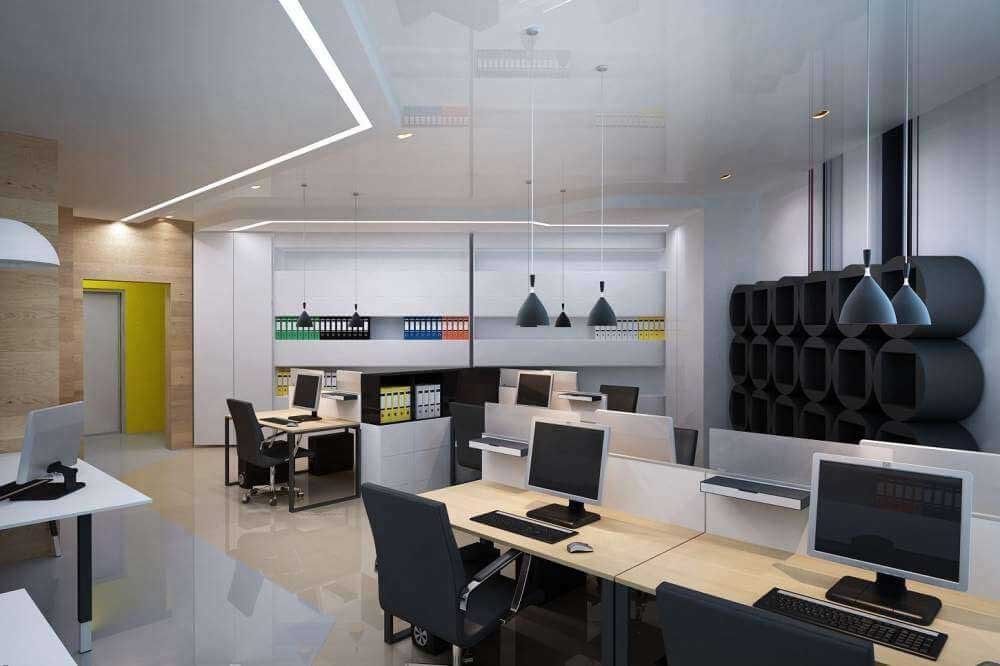
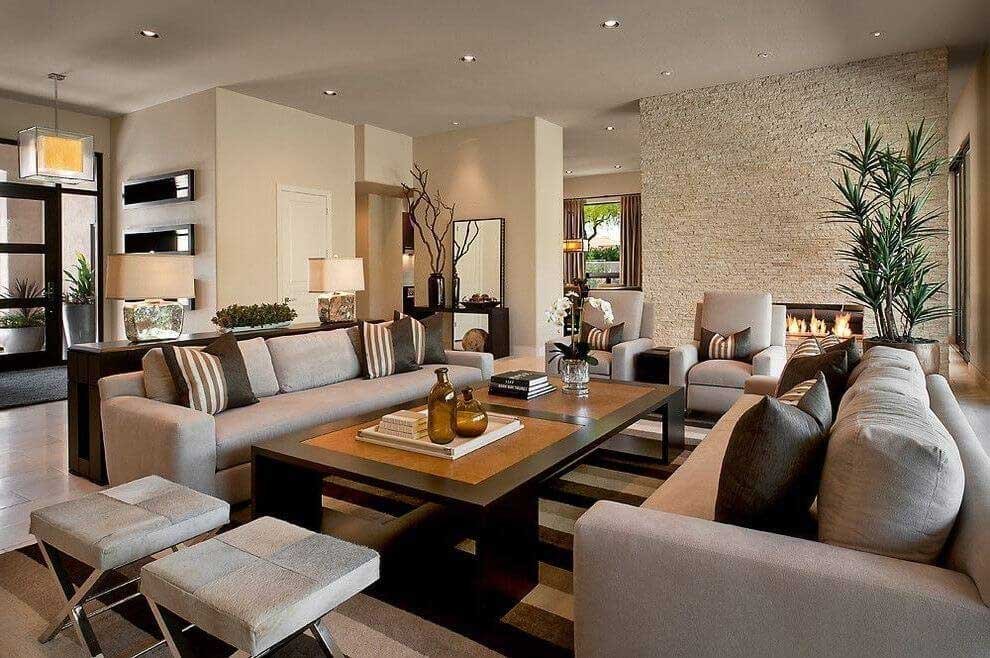
Transforming Your Living Space: A Comprehensive Guide to Smart Home Renovation

In today’s technology-driven world, home renovation goes beyond aesthetics and structural improvements. Instead, smart home renovation combines modern technology with thoughtful design to create a more comfortable, efficient, and secure living environment. As a result, homeowners can enjoy greater convenience while improving their property’s functionality. Whether you want to improve comfort, reduce energy use, or increase your property’s value, smart technology can make a real difference. In this guide, we’ll explore the key elements of smart home renovation and explain how you can create a modern, connected home.

1. Planning Your Smart Home Renovation: Setting the Foundation

First, create a clear renovation plan before choosing smart home technology. In particular, consider your needs, budget, and renovation goals. By doing so, you can make better decisions and avoid unnecessary expenses.

Steps to Consider:

  • Assess Your Current Home: First, identify areas where smart technology can add value. For example, consider lighting, security, climate control, and entertainment.
  • Set a Budget: Next, decide how much you want to invest in smart home upgrades. Although some systems require a higher initial investment, they can provide long-term savings.
  • Choose a Reliable Contractor: Finally, work with renovation professionals who understand smart home systems. As a result, they can integrate technology smoothly into your home.
2. Smart Lighting Solutions: Enhancing Ambiance and Efficiency

Lighting plays an important role in every home. With smart lighting, you can control brightness, color temperature, and lighting schedules with ease. Furthermore, these features allow you to create the right atmosphere for different activities. At the same time, smart lighting can help improve energy efficiency.

Key Features:

  • Voice and App Control: For instance, you can control your lights through voice commands or a smartphone app. Therefore, you can adjust your lighting even when you are away from home.
  • Automated Schedules: Similarly, you can set schedules that match your daily routine. For example, lights can dim in the evening or turn on when you wake up.
  • Energy Efficiency: In addition, motion sensors and timers can reduce unnecessary energy consumption. Consequently, you can manage electricity use more effectively.
3. Smart Security Systems: Protecting Your Home with Technology

Home security remains a major priority for homeowners. Fortunately, smart security systems provide greater control and monitoring options. Moreover, smart cameras, video doorbells, and connected locks allow you to monitor your property from almost anywhere.

Key Features:

  • Video Doorbells: For example, you can see and communicate with visitors through your smartphone. Additionally, many systems offer motion detection and video recording.
  • Smart Locks: Instead of relying on traditional keys, you can use connected locks. As a result, you can control access through an app and provide temporary access to guests.
  • Security Cameras: Furthermore, smart cameras can provide live streaming, night vision, and motion detection. In addition, you can connect them with other smart devices for better security.
4. Smart Heating and Cooling: Comfort Meets Energy Efficiency

Heating and cooling can account for a significant share of household energy use. Therefore, smart thermostats and climate control systems can help maintain comfortable temperatures while managing energy consumption. In addition, these systems give homeowners greater control over their indoor environment.

Key Features:

  • Smart Thermostats: For instance, you can set and adjust temperatures based on your preferences. Moreover, you can control the thermostat remotely through a smartphone app.
  • Zoned Heating and Cooling: Instead, divide your home into separate climate zones. This way, you can control the temperature in each area according to its use.
  • Energy Monitoring: Meanwhile, energy monitoring systems can track your consumption in real time. Consequently, you can identify waste and take steps to reduce energy costs.
5. Smart Kitchens: Elevating the Heart of Your Home

The kitchen often serves as the heart of the home. For this reason, smart technology can make this space more convenient, efficient, and enjoyable. From connected appliances to voice assistants, you can introduce several smart features into your kitchen.

Key Features:

  • Smart Appliances: For example, connected refrigerators, ovens, and dishwashers can offer remote control, automated cooking, and energy monitoring.
  • Voice-Activated Assistants: In addition, voice assistants such as Amazon Alexa or Google Assistant can help you set timers, search for recipes, and control connected devices.
  • Smart Lighting: Furthermore, adjustable under-cabinet lighting can improve visibility. At the same time, you can change brightness and color to create the right atmosphere.
6. Entertainment and Connectivity: Creating a Smart Home Experience

A truly connected home also needs an integrated entertainment system. With the right technology, you can stream music and movies while controlling multiple devices from one place. Moreover, a well-planned connectivity system can create a seamless home experience.

Key Features:

  • Smart Speakers: For instance, connected speakers can provide music, news, and voice control. Additionally, you can connect multiple speakers for a consistent audio experience.
  • Smart TVs: Similarly, smart TVs provide access to streaming services, internet browsing, and voice controls. Furthermore, many models can connect with other smart home devices.
  • Home Automation Hubs: Finally, a central hub can help manage connected devices. As a result, controlling lighting, security, climate, and entertainment becomes easier.
7. The Future of Smart Homes: Preparing for What’s Next

Smart home technology continues to develop rapidly. Therefore, future-proof your renovation by selecting systems that can adapt to new technologies. In this way, your home can remain functional and up to date for years to come.

Key Considerations:

  • Compatibility: First, choose devices that work well together. This makes integration and everyday control much easier.
  • Scalability: Next, select systems that allow future upgrades. As your needs change, you can add new devices and features.
  • Sustainability: Finally, choose energy-efficient devices and sustainable materials whenever possible. As a result, you can reduce environmental impact while improving long-term efficiency.
Conclusion

A smart home renovation can transform the way you live. By combining modern technology with thoughtful interior design, you can create a home that feels more comfortable, efficient, and secure. Moreover, you don’t need to upgrade everything at once. Instead, start with the areas that matter most and gradually add new smart features.

Whether you are planning a complete renovation or making a few smart upgrades, the possibilities are extensive. Ultimately, the right technology and design approach can turn your home into a modern, connected, and intelligent living space. With careful planning and the right solutions, you can enjoy the benefits of smart living for years to come.
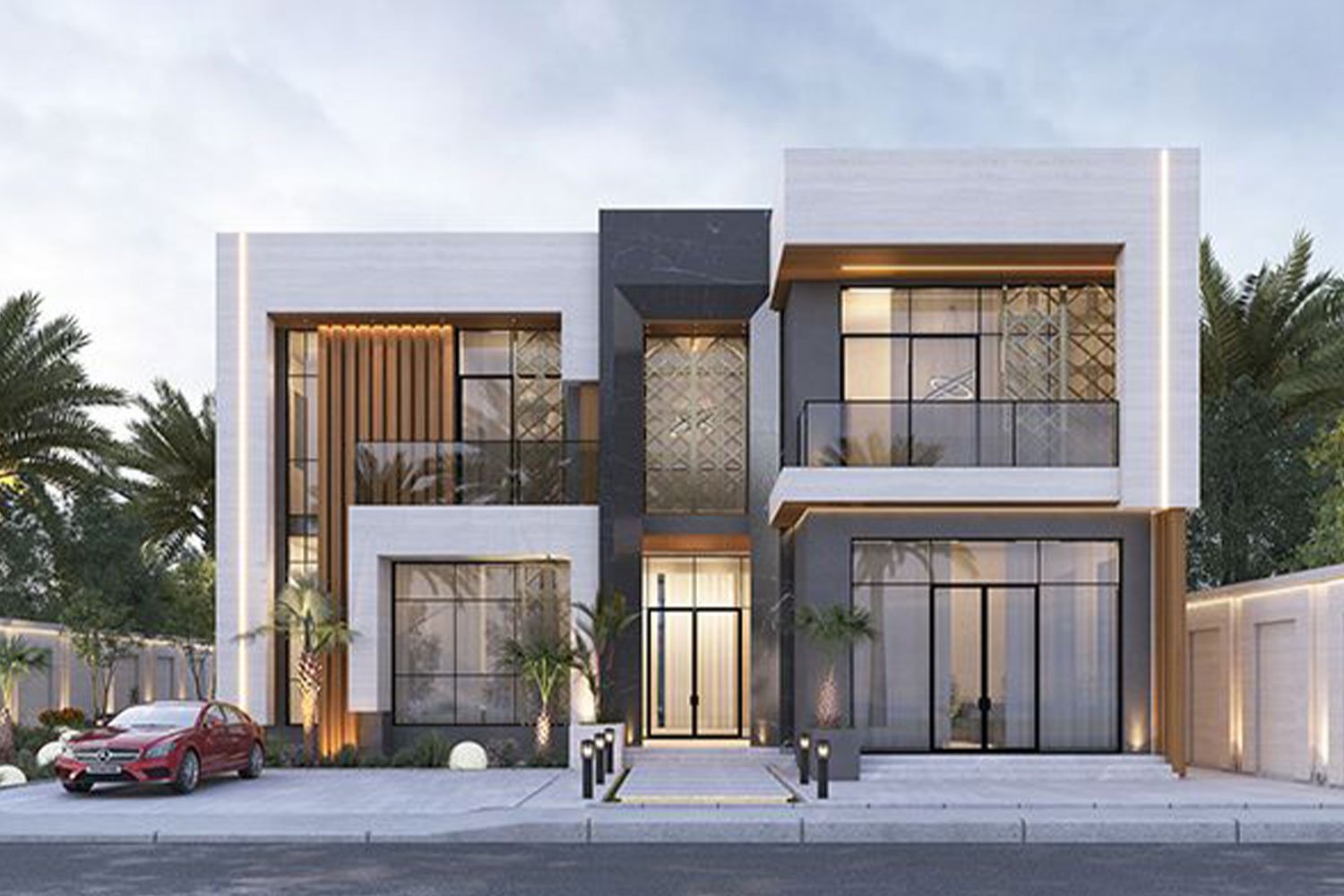
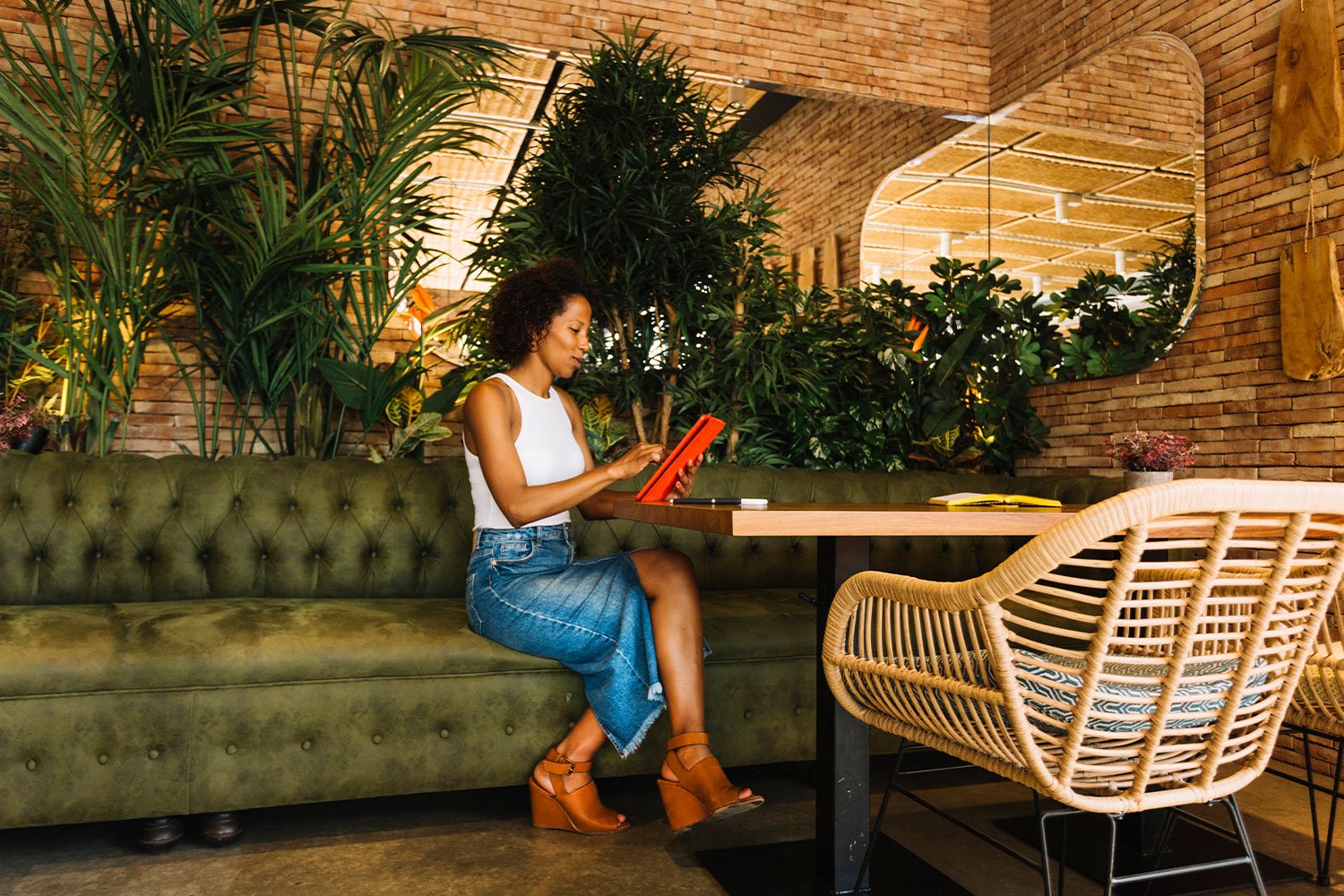
Maximizing Small Outdoor Spaces: Balcony and Terrace Design Tips for Dubai Homes

In Dubai, where high-rise living is common, outdoor space can feel like a luxury. Whether you have a balcony or terrace, smart planning can help you make the most of it. However, smaller spaces often present unique design challenges. With the right approach, even a compact outdoor area can become a stylish and comfortable retreat. In fact, small outdoor space design in Dubai can combine functionality, comfort, and modern style without taking up too much room.

In this guide, we’ll explore practical ideas to help you maximize your balcony or terrace. From space-saving furniture to vertical gardens and smart lighting, these tips can help you create an outdoor area you can enjoy throughout the year.

1. Choose the Right Furniture

Furniture plays an important role in small outdoor spaces. Therefore, choose pieces that provide comfort without making the area feel crowded. Compact and flexible furniture can help you create a practical layout while keeping enough space for movement.

Compact Furniture

First, choose furniture designed for smaller areas. Foldable chairs, compact tables, stackable stools, and storage benches are excellent options. Moreover, you can fold or move these pieces whenever you need extra space.

Multi-functional Pieces

Next, consider furniture that serves more than one purpose. For example, a coffee table with built-in storage can hold outdoor essentials. Similarly, a storage bench can provide both seating and additional storage. As a result, you can keep your balcony organized without adding unnecessary furniture.

Outdoor Rugs

In addition, an outdoor rug can help define your seating area. Choose a durable and weather-resistant option that can handle Dubai’s climate. This simple addition can also make your space feel warmer and more inviting.

2. Create a Green Oasis with Vertical Gardening

Plants can instantly make a balcony or terrace feel more welcoming. However, traditional planters can take up valuable floor space. Therefore, vertical gardening offers a smart solution for compact outdoor areas.

Vertical Planters

First, use wall-mounted planters or vertical plant boxes. You can grow herbs, flowers, and small plants without sacrificing floor space. Furthermore, these planters can create an attractive green backdrop.

Hanging Plants

Similarly, hanging plants add greenery while keeping the floor clear. For example, trailing plants can create a natural cascading effect. As a result, your balcony can feel more vibrant and connected to nature.

Climbing Plants

You can also use climbing plants such as jasmine or bougainvillea. These plants can add height, color, and privacy when you train them along trellises or suitable walls. Therefore, they can work especially well on larger terraces.

3. Add Shade for Dubai’s Climate

Dubai experiences strong sunlight and high temperatures for much of the year. Because of this, shade plays an essential role in outdoor design. A well-shaded balcony or terrace can remain comfortable for longer periods.

Retractable Awnings

Retractable awnings provide flexible shade throughout the day. You can extend them during the hottest hours and retract them when you want more sunlight. Therefore, they give you better control over your outdoor environment.

Outdoor Umbrellas

An outdoor umbrella offers another simple solution. Moreover, umbrellas come in different sizes and styles, making it easier to find an option that suits your space. Choose one that complements your furniture and can move easily when needed.

Pergolas

If you have enough space, consider a compact pergola. It can provide shade while also adding structure to your terrace. In addition, you can decorate it with climbing plants or outdoor curtains for extra privacy and style.

4. Use Lighting to Extend Your Outdoor Space

Good lighting can completely change the atmosphere of a small outdoor area. Furthermore, it allows you to use your balcony or terrace comfortably after sunset. Therefore, consider a combination of decorative and functional lighting.

String Lights

String lights are a simple way to create a warm atmosphere. You can hang them along railings, walls, or furniture. As a result, they can make your outdoor area feel cozy without taking up floor space.

Lanterns and Candles

Next, add outdoor lanterns or candle holders for a softer glow. Place them on tables, shelves, or suitable corners. In addition, their decorative appearance can enhance the overall design.

Solar Lights

Solar-powered lights offer an energy-efficient option. They are also easy to install and maintain. For example, you can use them to highlight plants, pathways, or architectural features.

5. Make the Most of Every Inch

When planning small outdoor space design in Dubai, every inch matters. Therefore, focus on smart layouts and practical storage solutions. Use walls, corners, railings, and vertical areas whenever possible.

For example, wall-mounted shelves can hold plants and decorative items. Similarly, built-in seating can provide storage underneath. In addition, folding furniture can free up space when you are not using it. As a result, your balcony or terrace can remain functional without feeling cluttered.

Conclusion

Designing a small outdoor space in Dubai requires creativity and thoughtful planning. However, the right design choices can transform even a compact balcony or terrace into a stylish retreat. By choosing space-saving furniture, adding vertical greenery, providing shade, and using smart lighting, you can create an area that feels comfortable and inviting.

Moreover, small outdoor space design in Dubai does not have to sacrifice style for functionality. Whether you want a peaceful place to relax, an area for outdoor dining, or a space for entertaining guests, smart planning can help you achieve your goals. Ultimately, with the right combination of furniture, greenery, lighting, and accessories, you can make the most of your outdoor space throughout the year.

How to Incorporate Biophilic Design in Your Dubai Home

In the bustling urban environment of Dubai, the desire to reconnect with nature is stronger than ever. Biophilic design, which emphasizes bringing natural elements into the home, has become a powerful trend in interior design. This approach not only enhances the aesthetic appeal of living spaces but also contributes to the well-being of the occupants by creating a tranquil and rejuvenating environment. In this blog, we’ll explore how you can incorporate biophilic design into your Dubai home, making it a serene oasis amidst the city’s vibrant landscape.

1. Embrace Natural Light: The Foundation of Biophilic Design

Natural light is a cornerstone of biophilic design, as it fosters a connection with the outdoors and has a significant impact on mood and energy levels. In Dubai, where sunlight is abundant, maximizing natural light in your home can create a warm and inviting atmosphere.

How to Incorporate This Element:

  • Skylights and Large Windows: Consider installing skylights or expanding existing windows to flood your home with natural light. Floor-to-ceiling windows are particularly effective in creating a seamless connection between indoor and outdoor spaces.
  • Light-Colored Interiors: Use light-colored walls, floors, and furniture to reflect and amplify natural light. This not only makes the space feel brighter but also more spacious.
  • Mirrors: Strategically place mirrors opposite windows to reflect light and create the illusion of additional windows, further brightening the space.
2. Bring the Outdoors In: The Power of Indoor Plants

Indoor plants are a key component of biophilic design, bringing the calming presence of nature into your home. In Dubai, where outdoor greenery can be scarce in some areas, indoor plants provide a refreshing contrast to the urban environment.

How to Incorporate This Element:

  • Choosing the Right Plants: Select plants that thrive in Dubai’s climate, such as succulents, palms, and ficus trees. These plants are not only resilient but also require minimal maintenance.
  • Layering and Grouping: Create a lush indoor garden by layering plants of different heights and sizes. Group smaller plants together on shelves or tables, and use larger plants as focal points in living areas.
  • Vertical Gardens: If space is limited, consider installing a vertical garden. This not only maximizes space but also adds a striking visual element to your home.
3. Integrate Natural Materials: Creating an Organic Feel

Natural materials like wood, stone, and bamboo evoke a sense of the outdoors and help to create a warm, organic ambiance in your home. These materials are also highly durable, making them ideal for Dubai’s climate.

How to Incorporate This Element:

  • Wooden Furniture and Flooring: Opt for furniture made from reclaimed or sustainably sourced wood. Wooden flooring can also add warmth and texture to your living space, making it feel more inviting.
  • Stone Accents: Incorporate stone elements in your home, such as marble countertops, stone wall cladding, or natural stone tiles. These materials add a touch of luxury while maintaining a connection to nature.
  • Bamboo and Rattan: Use bamboo or rattan furniture and decor for a more casual, earthy feel. These materials are lightweight, eco-friendly, and perfect for creating a relaxed atmosphere.
4. Incorporate Water Features: Adding a Soothing Element

Water has a naturally calming effect and is an essential element of biophilic design. In Dubai, where the desert environment can sometimes feel harsh, the sound and sight of water can bring a sense of tranquility and balance to your home.

How to Incorporate This Element:
  • Indoor Fountains: Small indoor fountains can be placed in living areas, entryways, or even bedrooms to create a peaceful ambiance. The gentle sound of flowing water can help reduce stress and promote relaxation.
  • Aquariums: An aquarium can serve as both a decorative piece and a source of relaxation. The movement of water and fish adds a dynamic element to your space, while also contributing to a calming atmosphere.
  • Indoor Ponds: For those with more space, an indoor pond or water feature can create a stunning focal point. Integrate aquatic plants and stones to enhance the natural feel.
Conclusion

Incorporating biophilic design into your Dubai home is not just about following a trend—it’s about creating a living space that nurtures and rejuvenates you. By embracing natural light, adding indoor plants, using natural materials, and incorporating water features, you can transform your home into a serene sanctuary amidst the hustle and bustle of urban life. Biophilic design not only enhances the beauty of your home but also contributes to your overall well-being, making it a worthwhile investment in your lifestyle.

Transforming Small Spaces: Clever Design Tips for Dubai Apartments

Living in a bustling metropolis like Dubai often means dealing with smaller living spaces, especially in high-rise apartments. However, with smart design choices, you can maximize every inch of your home and create a stylish, functional, and comfortable environment. Therefore, here are some practical tips to help you transform your small Dubai apartment into a spacious and inviting oasis.

1. Opt for Multi-Functional Furniture

In small apartments, every piece of furniture should serve more than one purpose. Therefore, multi-functional furniture can help save space while adding versatility to your living area.

Key Points:

  • Sofa Beds: A sofa that converts into a bed is perfect for accommodating guests without needing an extra room.
  • Extendable Tables: Dining tables can be extended for guests and folded down when not in use. As a result, they help you save valuable floor space.
  • Storage Ottomans: Ottomans with built-in storage can provide extra seating and a convenient place to store blankets, books, or other items.
2. Use Light Colors and Reflective Surfaces

Light colors and reflective surfaces can make a small space feel larger and more open. Moreover, they reflect natural light and create a bright, airy atmosphere.

Key Points:

  • Light Walls and Ceilings: First, choose light shades such as white, beige, or soft pastels. These colors can create a stronger sense of openness.
  • Mirrors: Strategically place mirrors to reflect light and create the illusion of more space. For example, a large mirror on one wall can make the room appear much bigger.
  • Glossy Finishes: In addition, use glossy finishes on furniture and countertops. These surfaces reflect light while adding a touch of elegance.
3. Maximize Vertical Space

In addition to floor space, make use of your apartment’s vertical areas. This approach can free up valuable floor space while keeping your home organized.

Key Points:

  • Shelving Units: Install shelves higher on the walls to store books, décor, and other essentials. As a result, you can keep the floor clear.
  • Tall Cabinets: Choose cabinets that reach the ceiling. This way, you can maximize your storage capacity without using extra floor space.
  • Hanging Storage: Similarly, use hooks and racks for items such as kitchen utensils, coats, and bags.
4. Create Defined Zones

Even in a small apartment, creating distinct zones can improve both organization and functionality. Therefore, separate different areas according to their purpose.

Key Points:

  • Rugs: Use rugs to define areas such as the living room, dining space, and bedroom. In this way, each zone can feel more distinct.
  • Furniture Arrangement: Arrange furniture strategically to create separate areas. For example, use a sofa and coffee table to define the living area, while a desk and chair can create a workspace.
  • Room Dividers: Additionally, use folding screens, curtains, or open shelving units to separate areas. These options provide privacy without blocking natural light.
5. Incorporate Built-In Storage

Built-in storage offers another effective way to maximize a small apartment. Because these solutions fit your space, they can provide ample storage without taking up unnecessary room.

Key Points:

  • Built-In Wardrobes: Install wardrobes with sliding doors to save space. At the same time, they provide plenty of storage for clothes and accessories.
  • Under-Bed Storage: Use the space beneath your bed for built-in drawers or storage boxes. Consequently, you can keep seasonal items neatly organized.
  • Window Seats with Storage: Create a comfortable window seat with storage underneath. This solution provides seating while giving you extra space for books, blankets, or shoes.
6. Choose Space-Saving Appliances

Compact and multi-functional appliances work particularly well in small kitchens and bathrooms. Therefore, choose appliances that provide useful features without taking up too much space.

Key Points:

  • Stackable Washer and Dryer: Opt for stackable or all-in-one washer-dryer units. As a result, you can save valuable floor space.
  • Slimline Dishwashers: Choose slimline dishwashers that fit comfortably into narrow kitchen areas.
  • Compact Kitchen Appliances: Similarly, consider compact refrigerators, microwaves, and stovetops. These options provide functionality while keeping your kitchen efficient.
7. Use Smart Lighting

Good lighting can make a small apartment feel larger and more welcoming. Furthermore, layered lighting provides both practical illumination and a comfortable ambiance.

Key Points:

  • Recessed Lighting: Install recessed lighting to reduce visual clutter. This creates a clean and streamlined appearance.
  • Task Lighting: Use task lighting, such as under-cabinet lights and reading lamps, to brighten specific areas. In addition, focused lighting makes everyday activities easier.
  • Dimmer Switches: Install dimmer switches to adjust brightness according to the time of day. This allows you to create different moods without changing your fixtures.
8. Declutter and Stay Organized

Keeping your apartment tidy is essential when working with limited space. After all, clutter can make even a well-designed room feel cramped.

Key Points:

  • Minimalist Approach: Adopt a minimalist approach to décor and furnishings. Therefore, keep only the items you truly need and enjoy.
  • Regular Purging: Regularly review your belongings and remove items you no longer use. As a result, your apartment will feel cleaner and more spacious.
  • Storage Solutions: Use baskets, bins, and drawer organizers to keep everything in its place. In this way, you can maintain an organized environment.
9. Opt for Open and Transparent Furniture

Open and transparent furniture can create a stronger sense of openness. Moreover, these pieces allow light to flow through the room and reduce visual clutter.

Key Points:

  • Glass Tables: Use glass dining and coffee tables to maintain a clear line of sight. They also add a modern touch to your interior.
  • Open Shelving: Choose open shelving instead of bulky closed cabinets. This allows you to display items while keeping the room visually lighter.
  • Acrylic Furniture: In addition, consider acrylic or lucite chairs and side tables. These pieces provide functionality without making the space feel crowded.
10. Personalize with Care

Finally, personal touches can make your apartment feel warm and inviting. However, small spaces require careful styling to avoid visual clutter.

Key Points:

  • Artwork: Choose artwork that reflects your personality. At the same time, avoid overcrowding the walls. One or two statement pieces can create a stronger impact.
  • Textiles: Use cushions, throws, and rugs to introduce color and texture. These elements add character without taking up much space.
  • Plants: Finally, bring freshness indoors with small plants. Choose manageable varieties that add greenery without occupying too much room.
Transform Your Small Dubai Apartment

Transforming a small Dubai apartment into a stylish and functional space is entirely possible with thoughtful planning. By using multi-functional furniture, light colors, vertical storage, and smart lighting, you can make every area more useful. Furthermore, built-in storage, open furniture, and careful organization can help create a spacious feel.

At the same time, personalization allows you to reflect your style without overwhelming the room. Ultimately, the right design choices can turn even a compact apartment into a comfortable and beautiful home. For expert assistance, contact Livingacre Interiors. Our experienced designers can help you create a practical and stylish space tailored to your needs, lifestyle, and preferences.

10 Tips for Choosing the Right Interior Designer in Dubai

Choosing the right Interior Design Dubai is an important step when transforming your space into a stylish and functional environment. With Dubai’s growing design industry, however, finding the right professional can feel overwhelming. Therefore, you need to consider several factors before making your decision. From defining your style and setting a budget to reviewing experience and contracts, these ten tips can help you choose an interior designer in Dubai who matches your vision and project requirements.

1. Define Your Style and Needs

Before searching for an interior designer in Dubai, first identify your preferred style and specific needs. Browse design magazines, websites, and platforms such as Pinterest and Instagram for inspiration. As a result, you can develop a clearer idea of the look and feel you want.

Key Points:

  • Create a mood board with images that reflect your preferred style.
  • Determine which rooms you want to redesign.
  • List specific requirements, such as storage, functionality, or space planning.
  • Consider how you want the finished space to look and feel.
2. Set a Budget for Your Interior Design Project

Next, establish a realistic budget before contacting designers. Interior design costs can vary depending on the project size, materials, and services required. Therefore, knowing your budget can help you find an interior designer in Dubai who can work within your financial expectations.

Key Points:

  • Be realistic about what you can afford.
  • Include designer fees, materials, furniture, and other project costs.
  • Keep some additional funds available for unexpected expenses.
  • Discuss your budget openly from the beginning.
3. Research and Shortlist Interior Designers in Dubai

Once you have a budget, start researching interior designers in Dubai. Look for professionals who have experience with projects similar to yours. Moreover, their previous work should reflect the style and quality you expect.

Key Points:

  • Search through online platforms, design directories, and social media.
  • Review portfolios to understand their design approach.
  • Read reviews and testimonials from previous clients.
  • Compare several designers before making a final decision.
4. Check Credentials and Experience

Experience can make a significant difference in the success of your project. Therefore, check the designer’s qualifications, professional background, and previous projects. In addition, ask whether they have experience with projects similar to yours.

Key Points:

  • Verify their education and professional certifications.
  • Check relevant professional memberships where applicable.
  • Review their previous residential or commercial projects.
  • Ask about their experience with projects of a similar size and scope.
5. Schedule Consultations with Your Interior Designer

After creating a shortlist, schedule consultations with potential designers. This gives you an opportunity to discuss your ideas and understand their approach. Furthermore, it helps you assess their communication style and professionalism.

Key Points:

  • Prepare questions about your project before the meeting.
  • Explain your ideas, preferences, and expectations clearly.
  • Pay attention to how well the designer listens to your concerns.
  • Consider whether you feel comfortable communicating with them.
6. Evaluate the Interior Design Process

Understanding the design process is equally important. Therefore, ask the interior designer to explain each stage of the project. This can include concept development, material selection, design approval, project management, and final installation.

Key Points:

  • Ask about the different stages of the design process.
  • Discuss expected timelines for each phase.
  • Find out how the designer coordinates with contractors and suppliers.
  • Ask how they handle changes or unexpected challenges.
7. Discuss Budget and Design Fees

Clear communication about costs can help prevent misunderstandings later. For this reason, discuss the designer’s fees and payment structure before starting the project. Moreover, ask about any additional costs that could arise during the process.

Key Points:

  • Understand whether the designer charges a flat fee, hourly rate, or percentage.
  • Discuss payment schedules and deposits.
  • Confirm which services the fee includes.
  • Ask about potential additional charges.
8. Review the Interior Design Contract Carefully

Before signing an agreement, carefully review the contract. In particular, make sure it clearly explains the scope of work, payment terms, services, and project timeline. If something seems unclear, ask the designer for an explanation.

Key Points:

  • Check the services and project milestones.
  • Review deadlines and payment terms.
  • Look for clauses covering revisions and cancellations.
  • Clarify any terms you do not understand.
9. Check References and Client Reviews

Client feedback can provide useful insights into an interior designer’s reliability and service quality. Therefore, ask for references or review testimonials from previous clients. In addition, look for feedback about communication, timelines, budget management, and the final result.

Key Points:

  • Ask about the client’s overall experience.
  • Find out whether the designer stayed within the agreed budget.
  • Ask whether the project met the expected deadlines.
  • Check if the client was satisfied with the finished space.
10. Trust Your Instincts When Choosing an Interior Designer in Dubai

Finally, trust your instincts when making your decision. You will work closely with your designer throughout the project. Therefore, choosing someone you trust and communicate comfortably with is essential.

Key Points:

  • Consider your personal rapport with the designer.
  • Think about how well they understood your vision.
  • Choose someone who communicates clearly and professionally.
  • Look for a designer who can turn your ideas into practical solutions.
Conclusion

Choosing the right interior designer in Dubai requires careful research and planning. First, define your style and needs. Next, establish a realistic budget and research suitable designers. Then, compare portfolios, experience, design processes, fees, and client feedback.

Moreover, a detailed consultation can help you understand whether a designer is the right fit for your project. Finally, review the contract carefully and choose a professional you trust. By following these steps, you can find an interior designer in Dubai who can transform your home or office into a stylish, functional, and personalized space.

For professional and personalized interior design services, contact Livingacre Interiors. Our experienced designers work closely with clients to create spaces that reflect their style, lifestyle, and functional needs.

The Ultimate Guide to Interior Design Trends in Dubai for 2024

Dubai is a city known for its luxury, innovation, and cultural richness. As we step into 2024, interior design trends in Dubai are evolving to reflect these attributes while embracing global influences and sustainability. Whether you’re a homeowner, a business owner, or an interior design enthusiast, this comprehensive guide will help you stay ahead of the curve with the latest trends shaping interiors in Dubai.

1. Sustainable and Eco-Friendly Designs

Sustainability is no longer just a buzzword; it’s a significant trend in Dubai’s interior design scene. As environmental awareness grows, more designers and homeowners are opting for eco-friendly materials and practices. Here’s how to incorporate sustainability into your interiors:

  • Recycled Materials: Use recycled wood, metal, and glass in furniture and decor. These materials not only reduce waste but also add a unique character to your space.
  • Energy-Efficient Lighting: Switch to LED lighting and incorporate smart lighting systems to reduce energy consumption.
  • Natural Fabrics: Choose organic cotton, bamboo, and linen for upholstery and drapery.
  • Indoor Plants: Integrate greenery to improve air quality and add a natural, calming element to your home.

2. Luxurious Minimalism

In 2024, minimalism continues to evolve, merging with luxury to create spaces that are both simple and opulent. This trend focuses on quality over quantity and meticulous attention to detail.

  • Neutral Palettes: Use shades of white, beige, and gray as the base, accented with gold or metallic finishes for a touch of luxury.
  • High-Quality Materials: Invest in premium materials like marble, leather, and high-grade wood.
  • Clean Lines: Opt for furniture with sleek, clean lines and avoid overly ornate designs.
  • Statement Pieces: Incorporate one or two bold statement pieces, such as a designer chandelier or an exquisite art piece, to elevate the space.

3. Cultural Fusion

Dubai’s unique position as a global hub is reflected in its interior design, where cultural fusion is a prominent trend. Combining traditional Emirati elements with modern design creates a rich and dynamic aesthetic.

  • Arabic Patterns and Textiles: Use traditional Arabic patterns in rugs, cushions, and wallpapers.
  • Mashrabiya Elements: Integrate Mashrabiya (intricate lattice work) in room dividers, windows, or as decorative wall panels.
  • Artisanal Crafts: Showcase local craftsmanship through pottery, lanterns, and handmade furniture.
  • Modern Twist: Balance traditional elements with modern furniture and contemporary art to create a cohesive look.

4. Smart Homes and Technology Integration

As Dubai continues to lead in innovation, smart home technology is becoming a staple in interior design. Integrating technology seamlessly into home decor is a trend that’s here to stay.

  • Smart Lighting and Climate Control: Install systems that allow you to control lighting and temperature via smartphone or voice commands.
  • Automated Blinds and Curtains: Use motorized window treatments for convenience and energy efficiency.
  • Integrated Entertainment Systems: Design media rooms with built-in sound systems and hidden wiring to maintain a clean aesthetic.
  • Home Automation: Implement comprehensive home automation systems that control security, lighting, appliances, and more.

5. Biophilic Design

Biophilic design, which emphasizes the connection between humans and nature, is gaining popularity in Dubai. This trend focuses on creating harmonious environments that promote well-being.

  • Natural Light: Maximize natural light through large windows, skylights, and open spaces.
  • Organic Materials: Use wood, stone, and other natural materials to create a warm, inviting atmosphere.
  • Water Features: Incorporate water elements like fountains or indoor ponds to enhance tranquility.
  • Green Walls and Vertical Gardens: Install green walls or vertical gardens to bring a touch of nature indoors.

6. Bold Colors and Patterns

While minimalism remains popular, bold colors and patterns are making a comeback, adding vibrancy and personality to interiors.

  • Accent Walls: Create focal points with brightly colored or patterned accent walls.
  • Vibrant Furniture: Introduce bold hues through furniture pieces like sofas, chairs, or cabinets.
  • Mix and Match Patterns: Combine different patterns in textiles, wallpapers, and accessories for a dynamic look.
  • Art Deco Influence: Embrace the glamour of the Art Deco era with geometric patterns, rich colors, and luxurious materials.

7. Multi-Functional Spaces

As lifestyles become more flexible, the demand for multi-functional spaces is increasing. This trend is particularly relevant in Dubai’s dynamic urban environment.

  • Convertible Furniture: Use furniture that can serve multiple purposes, such as sofa beds, extendable tables, and storage ottomans.
  • Zoning: Create distinct zones within open-plan areas for different activities, such as working, dining, and relaxing.
  • Hidden Storage: Maximize space with built-in storage solutions that keep clutter out of sight.
  • Flexible Layouts: Design spaces that can be easily reconfigured to adapt to changing needs.

For professional guidance and to bring these trends to life in your space, consider reaching out to Livingacre Interiors. Our expertise and passion for design will help you create an environment that is both beautiful and functional, perfectly tailored to your lifestyle and taste.

Call Now: +971501673937

LET'S TALK

If You Would Like To Discuss Your Project Or Schedule An Appointment With Our Team

Contact Us