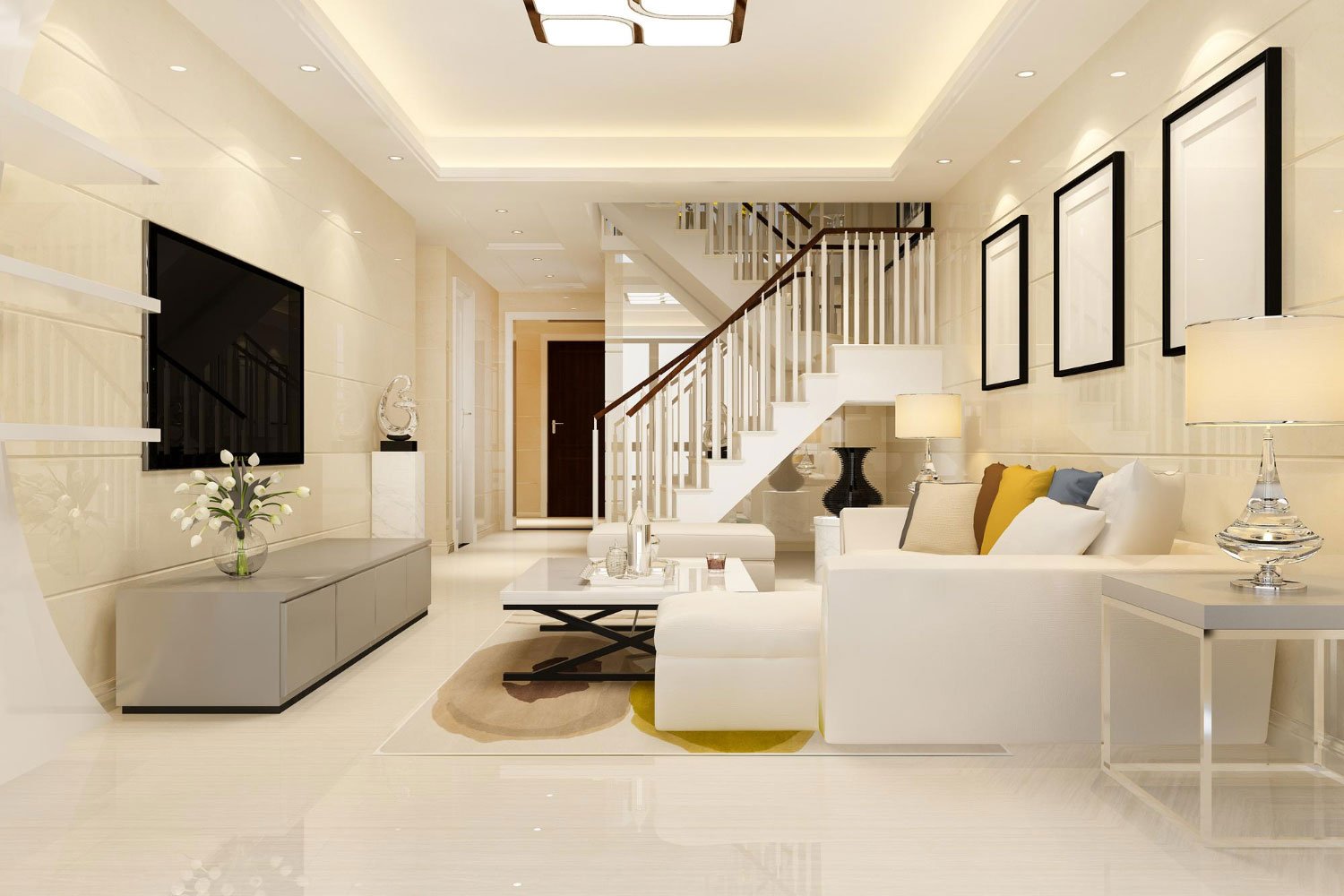
Designing a beautiful home is about much more than choosing attractive furniture, colors, and decorations. In fact, even expensive materials and luxury furniture can look out of place when the overall design is not properly planned. Therefore, understanding the most common interior mistakes to avoid can help you create a home that feels stylish, comfortable, functional, and well balanced.
Whether you are designing a modern apartment, renovating a villa, or planning a complete home makeover, every decision matters. From furniture proportions and lighting to color combinations and space planning, small mistakes can significantly affect the final result.
Fortunately, these mistakes can often be prevented with proper planning and professional interior design guidance. So, before you start your next interior project, take a look at these important interior mistakes to avoid.
1.Choosing Furniture Without Considering Room Size
One of the most common interior mistakes to avoid is selecting furniture simply because it looks attractive in a showroom or catalogue.
However, furniture that looks perfect in a large showroom may not work well in your home. For example, an oversized sofa can make a small living room feel crowded, while very small furniture can make a large room appear empty and unbalanced.
Therefore, always consider:
Room dimensions
Ceiling height
Door and window positions
Walking space
Existing architectural features
The overall furniture layout
Moreover, measure the room before purchasing major furniture pieces. This simple step can prevent expensive mistakes and help maintain proper proportions.
The goal is not to fill every corner. Instead, the goal is to create a comfortable balance between furniture and open space.
2. Poor Furniture Placement and Space Planning
Another important point in our list of interior mistakes to avoid is poor space planning.
A room may contain beautiful furniture and premium finishes; however, if the layout is inconvenient, the space will not feel comfortable. Furniture should support natural movement rather than block it.
For example, sofas should create a welcoming conversation area, while dining tables should provide enough space for people to move around comfortably. Similarly, beds should be positioned in a way that allows easy access from both sides where possible.
Furthermore, consider how people will move through the room before finalizing the furniture arrangement.
Good interior design is not only about appearance; it is also about how naturally a space works.
3. Ignoring Lighting Design
Lighting can completely transform the appearance of an interior. Nevertheless, relying only on a single ceiling light remains one of the most common interior mistakes to avoid.
A well-designed room usually benefits from different layers of lighting, including:
- Ambient lighting
- Task lighting
- Accent lighting
- Decorative lighting
- Natural daylight
For instance, a living room can combine ceiling lighting with floor lamps, wall lights, concealed LED strips, and decorative fixtures. As a result, the room becomes more functional while also gaining depth and warmth.
Additionally, consider the color temperature of your lights. Warm lighting can create a comfortable atmosphere, whereas cooler lighting may be more suitable for certain work areas.
4. Using Too Many Colors
Adding color can make an interior lively and personal. However, using too many colors without a clear palette can make the room look chaotic.
Therefore, choosing a coordinated color scheme is another essential point when considering interior mistakes to avoid.
A simple approach is to select:
- One dominant color
- One or two complementary colors
- One accent color
For example, neutral shades such as beige, cream, white, taupe, and soft grey can create a timeless base. Then, you can introduce deeper shades through cushions, artwork, rugs, furniture, or accessories.
Moreover, repeating the same accent color in different areas helps create visual continuity throughout the home.
5. Overcrowding the Space With Décor
Accessories add personality to a home. However, too many decorative elements can quickly make a beautifully designed room feel cluttered.
This is especially important in modern and luxury interiors, where simplicity and balance often create a more sophisticated appearance.
Therefore, avoid filling every table, shelf, wall, and corner with decorative objects.
Instead:
- Select meaningful accessories.
- Leave some surfaces visually clean.
- Use statement pieces strategically.
- Combine different textures.
- Maintain enough negative space.
Consequently, the room will feel more elegant and comfortable.
Remember, less can often be more when it comes to interior design.
6. Choosing Trends Over Timeless Design
Interior trends can be exciting. Nevertheless, following every trend is one of the interior mistakes to avoid, particularly when making a major investment.
Trends can change quickly. A color, material, furniture style, or decorative feature that looks fashionable today may feel outdated after a few years.
Instead, consider creating a timeless foundation using:
- Quality materials
- Balanced colors
- Functional furniture
- Classic architectural details
- Simple and elegant finishes
Then, incorporate current trends through easily replaceable elements such as cushions, artwork, rugs, curtains, or accessories.
As a result, you can refresh your home without completely redesigning it every few years.
7. Ignoring the Importance of Storage
A beautiful home can quickly become messy when there is not enough storage.
Therefore, ignoring storage requirements is another major item on our list of interior mistakes to avoid.
Before finalizing your interior design, think about where you will store:
- Clothes
- Shoes
- Kitchen equipment
- Books
- Electronics
- Cleaning supplies
- Children’s belongings
- Everyday household items
Fortunately, modern interior design provides many creative storage solutions. Built-in wardrobes, concealed cabinets, floating shelves, TV units, under-bed storage, and multifunctional furniture can help keep your home organized.
Furthermore, well-planned storage allows you to maintain a clean and sophisticated appearance without sacrificing functionality.
8. Choosing the Wrong Size of Rug
A rug may seem like a small detail. However, the wrong rug size can negatively affect the entire room.
An undersized rug can make furniture arrangements look disconnected. On the other hand, an appropriately sized rug can visually bring furniture together and define a specific area.
For example, in a living room, the rug should ideally relate to the size and arrangement of the seating area.
Therefore, don’t choose a rug only because you like its pattern or color. Instead, consider its dimensions, furniture placement, room size, and overall design.
This is a small but important detail among the interior mistakes to avoid.
9. Hanging Artwork at the Wrong Height
Artwork can become a beautiful focal point. However, hanging it too high or too low can make the entire wall look unbalanced.
Instead, artwork should generally relate to the furniture and surrounding visual elements. For example, artwork placed above a sofa should feel connected to the seating arrangement rather than appearing isolated.
Additionally, when displaying multiple artworks, maintain consistent spacing and consider the overall composition.
As a result, even simple artwork can make your interior look more polished and professionally designed.
10. Blocking Natural Light
Natural light is one of the most valuable elements in interior design. Unfortunately, blocking windows with bulky furniture or heavy curtains is another common mistake.
Whenever possible, allow daylight to enter the room freely.
For example, you can use:
- Sheer curtains
- Light-colored window treatments
- Reflective surfaces
- Strategically placed mirrors
- Furniture positioned away from windows
Moreover, natural light can make colors appear more attractive and help create a brighter, more welcoming environment.
11. Forgetting About Material and Texture
A room can have beautiful colors and furniture but still feel flat if everything has the same texture.
Therefore, creating a mix of materials is another important consideration when identifying interior mistakes to avoid.
You can introduce visual depth through:
- Wood
- Marble
- Glass
- Metal
- Fabric
- Stone
- Leather
- Textured wall finishes
For instance, combining soft upholstery with natural wood, stone surfaces, glass, and metallic accents can create a sophisticated and layered appearance.
Furthermore, texture becomes particularly important in neutral interiors because it adds character without requiring strong colors.
12.Starting the Project Without a Proper Budget
Finally, one of the most expensive interior mistakes to avoid is beginning a project without establishing a realistic budget.
Interior design involves several costs, including:
Design and planning
Materials
Furniture
Lighting
Electrical work
Carpentry
Flooring
Painting
Décor
Installation
Labour
Therefore, prepare a budget before making major decisions.
However, budgeting does not necessarily mean compromising on style. Instead, it helps you prioritize where to invest and where you can make practical savings.
A professional interior design team can also help you choose materials and finishes that match your design goals and budget.
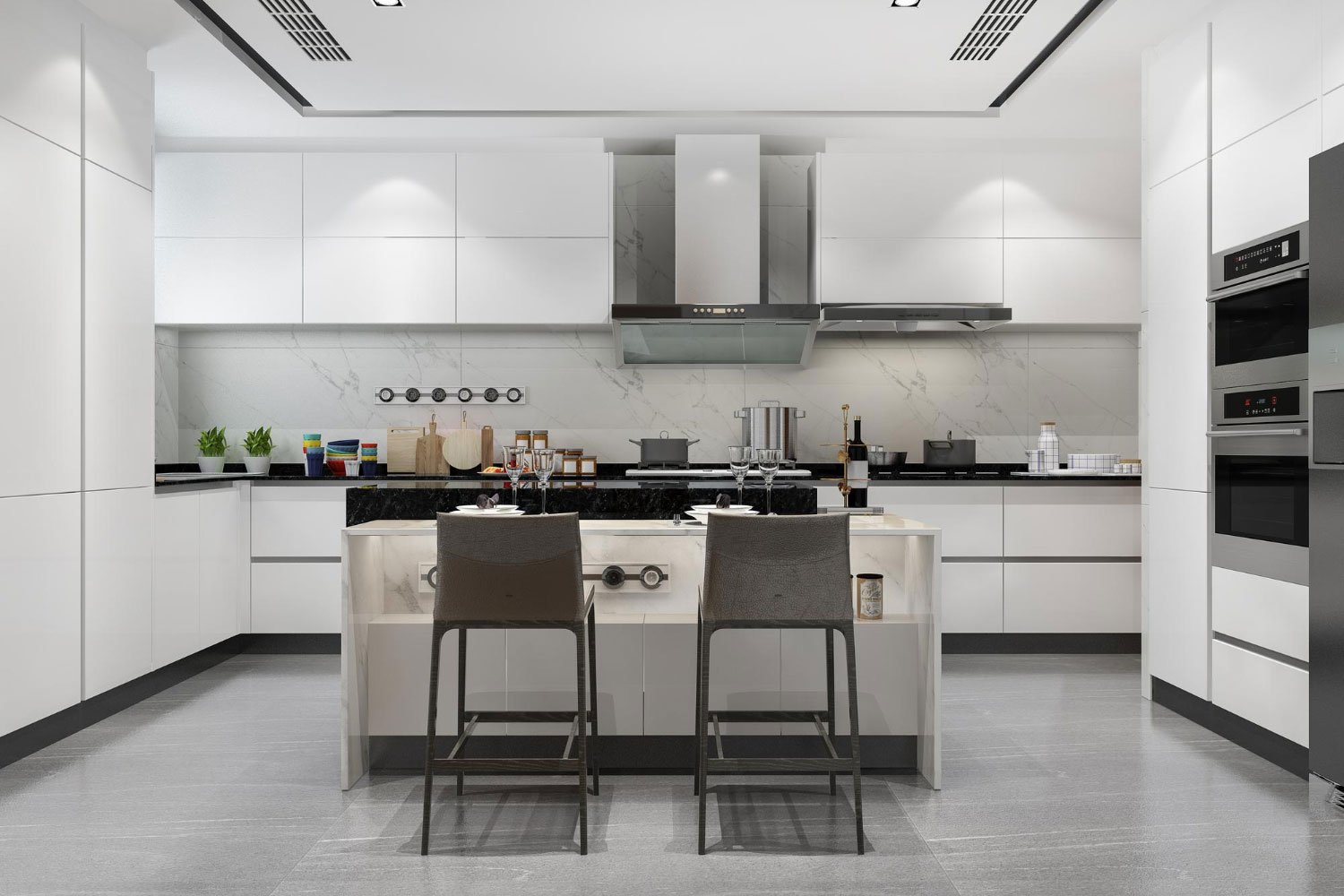
How to Avoid Interior Design Mistakes
Now that we have covered the major interior mistakes to avoid, the next step is understanding how to prevent them.
First, start with proper space planning. Next, determine your requirements and budget. Then, create a cohesive design concept before purchasing furniture or materials.
Additionally, consider the following:
Measure Before You Buy
Always measure rooms, walls, windows, doors, and furniture spaces before purchasing anything.
Create a Design Concept
Decide on your preferred style, color palette, materials, and overall atmosphere before starting the project.
Prioritize Functionality
A beautiful home should also be comfortable, practical, and highly functional for modern everyday living.
Plan Lighting Early
Lighting should be considered during the design and electrical planning stages rather than added at the end.
Think Long-Term
Choose materials, furniture, and finishes that can remain attractive and functional for years.
Work With Professionals
Experienced interior designers can identify potential problems before construction or installation begins.
Why Professional Interior Design Matters
Designing a home independently can be exciting. However, it can also become complicated when you need to coordinate layouts, materials, lighting, furniture, colors, electrical requirements, and execution.
This is precisely why professional planning can make such a difference.
At Livingacre Interiors, the design process focuses on understanding each client’s requirements and creating interiors that combine functionality, aesthetics, quality, and practicality. The company provides interior design, fit-out, villa renovation, villa extension, and related services across Dubai and the UAE.
Frequently Asked Questions About Interior Mistakes to Avoide
What are the most common interior design mistakes?
Some of the most common mistakes include choosing oversized furniture, poor space planning, inadequate lighting, using too many colors, overcrowding rooms, ignoring storage, and choosing décor without considering the overall design.
How can I avoid interior design mistakes?
The best way to avoid interior design mistakes is to plan your space carefully before purchasing furniture or starting renovation work. Measurements, a clear design concept, proper lighting, material selection, and professional guidance can make the process much easier.
Should furniture match throughout the entire house?
Not necessarily. However, the different rooms should have some visual connection through colors, materials, finishes, or design elements. This creates a cohesive home without making every room look identical.
Is professional interior design worth it?
Yes. Professional interior designers can help with space planning, material selection, lighting, furniture layouts, budgeting, and execution. Consequently, professional planning can help prevent costly mistakes and improve the final result.
How important is lighting in interior design?
Lighting is extremely important because it affects both the appearance and functionality of a space. A combination of natural, ambient, task, and accent lighting can create a more comfortable and visually appealing interior.
Final Thoughts
Creating a beautiful home is not simply about buying expensive furniture or choosing fashionable colors. Instead, successful interior design comes from careful planning, balance, functionality, and attention to detail.
By understanding the interior mistakes to avoid, you can make better decisions about furniture, lighting, colors, storage, materials, décor, and space planning. Moreover, thoughtful planning can help you avoid unnecessary expenses while creating an interior that feels comfortable and timeless.
Whether you are designing a villa, apartment, office, or retail space, the right approach can transform your ideas into a functional and elegant environment.
Planning a new interior in Dubai? Let Livingacre Interiors help you create a space that combines style, functionality, and quality.
Explore Livingacre Interiors
Contact: +971 56 830 5088
Email: info@lainteriors.ae
Location: Dubai Silicon Oasis, Dubai, UAE